
Piper Howell – Contributor
If you had the chance to finish high school 6,500 kilometres from home in a small Swiss town, would you do it? Spending my last year of high school living in Switzerland changed my life and I believe that living abroad, even for a short amount of time, is one of the best ways to become independent. Moving to a different continent at 16 wasn’t an easy decision but ultimately, I cannot imagine who I would be if I hadn’t made that move.
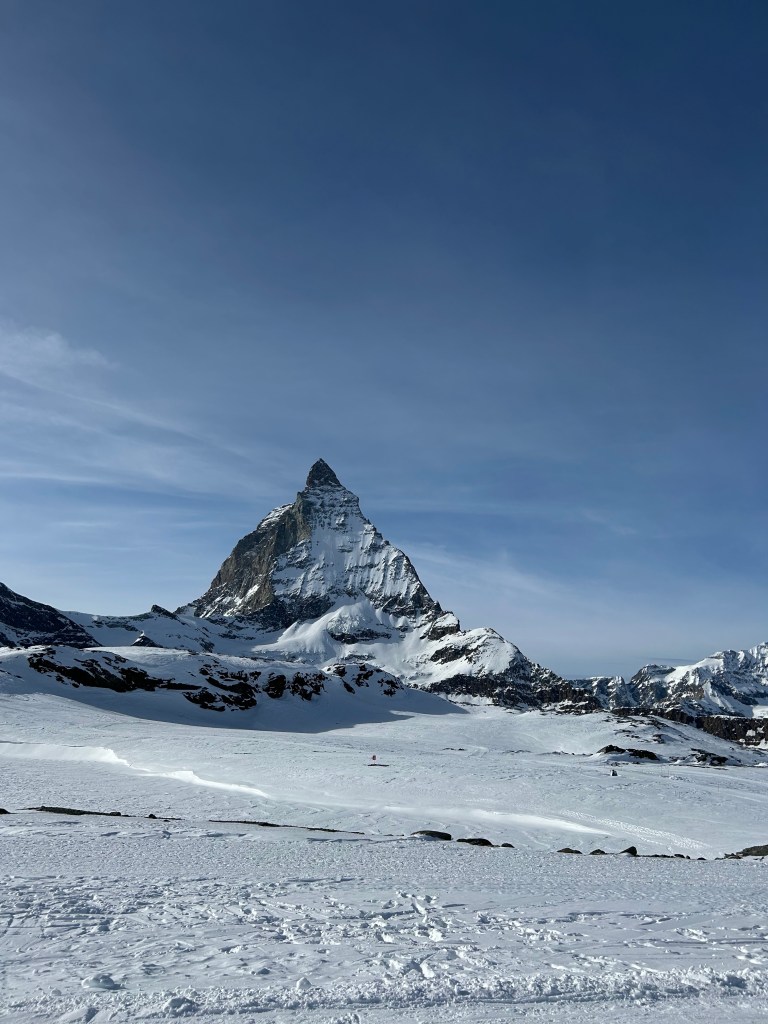
Image courtesy of Piper Howell
In Grade 12, I attended a high school in the small French-speaking town of Neuchâtel, Switzerland. I lived with a Swiss family alongside three other girls from the school, and we were interwoven into the daily lives of our host family. The school itself is Canadian; Neuchâtel Junior College was founded in the 1950s to give Canadian teenagers the opportunity to live abroad while they finished their high school studies. My classes followed the Ontario curriculum just like my high school back in Toronto, but for ten months I was immersed in Swiss culture, spoke French daily, and boarded the R13 train from Gorgier-St-Aubin every morning alongside Swiss students and other Neuchâtel citizens for my commute into town.
The independence and confidence gained from my year abroad were expected outcomes from living away from home but there was so much more to that year. Going to school in a different country changed how I saw my place in the world but also how I understood my own identity, values and life prior to that experience.
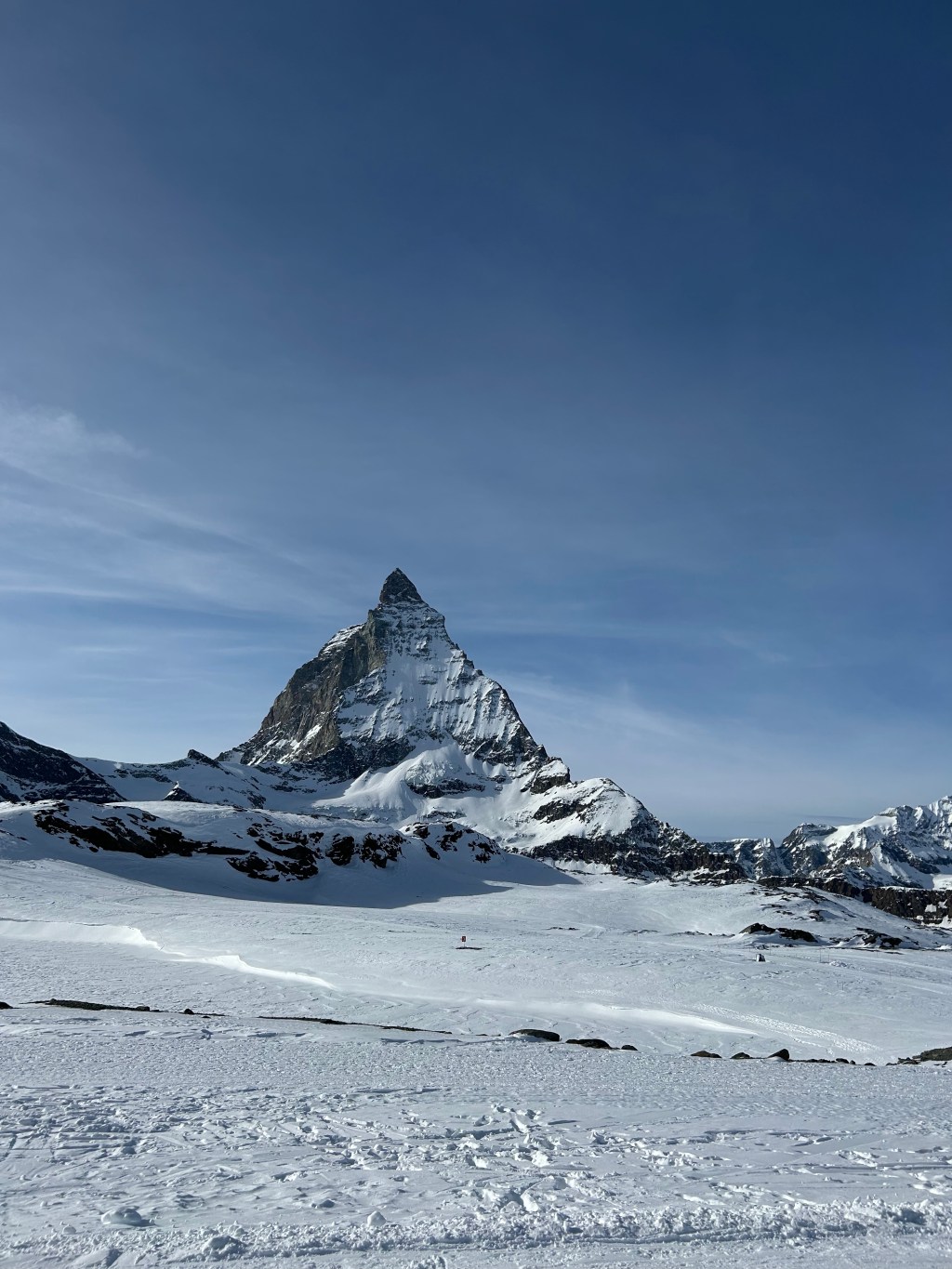
The biggest change at the time (other than my surroundings) was the amount of freedom I was given. Almost every weekend, whether on a class trip, or with a small group of friends, I travelled to a new city in Europe. Naturally those trips helped build that independence. Planning trips, exploring new cities where sometimes neither French nor English were spoken, staying organized, managing flight schedules, train station departures—all of this required a level of responsibility that I don’t think I would have developed in the same way, or as early in my adulthood, had I stayed in Canada.
Different parts of this experience—trying new foods like saganaki in Nafplio, adapting to new customs such as longer and later mealtimes, and being exposed to different nuances within languages like how in Swiss French the numbers 70, 80 and 90 are expressed differently (septante, huitante, and nonante) can seem small but together helped shift my perspective. I became more open minded and adaptable to what life could be outside of what I had always known.
Even if it’s for a short amount of time, and not in the same way I experience it, I encourage people to travel and be open minded to new cultures, especially when you are young. Being able to step out of your comfort zone and having the willingness to pivot when needed, whether that means staying in a slightly sketchy Airbnb on the outskirts of Vienna just to experience an Austrian Christmas market, or sleeping in a train station because you missed the last train of the night. These kinds of experiences are often only possible when you are young and can be incredibly formative.
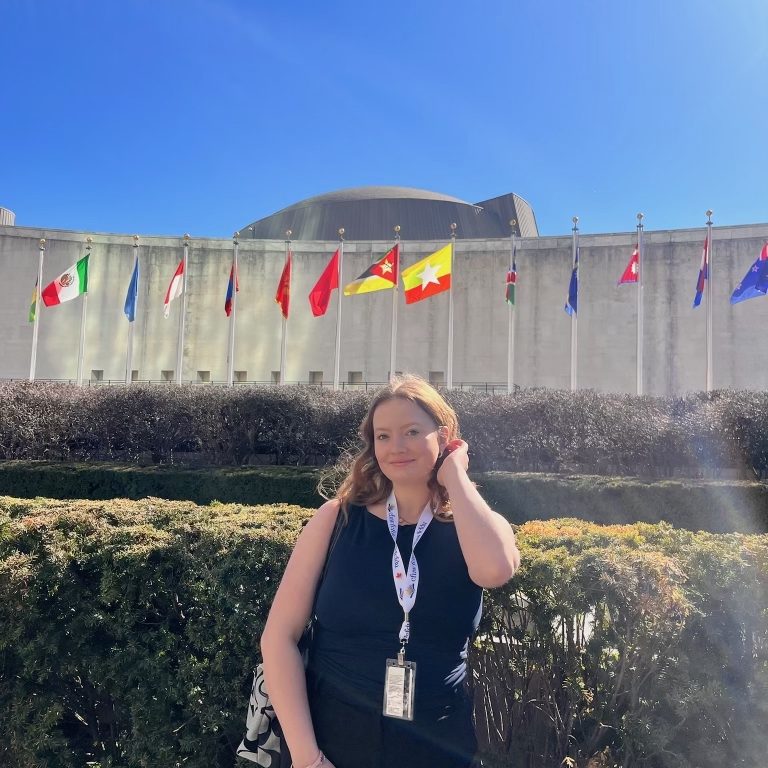
I recognize that my year at Neuchâtel comes from a place of privilege, but my experiences remain a very significant part of my identity. In the end living abroad challenged the way I think, expanded my understanding of the world and gave me a great group of friends who study and work across the globe that I continue to stay connected with.


 The Campus