
Nicole Rindisbacher – Contributor
The arrival of March marks the beginning of Agricultural Literacy Month. Around the country, Canadians raise awareness of one of the oldest and most important industries in the world. Despite its importance, many Canadians don’t know where our food actually comes from. How far back can you trace the ingredients of your latest meal? If you’re anything like most of us, odds are your trail begins and ends at the grocery store.
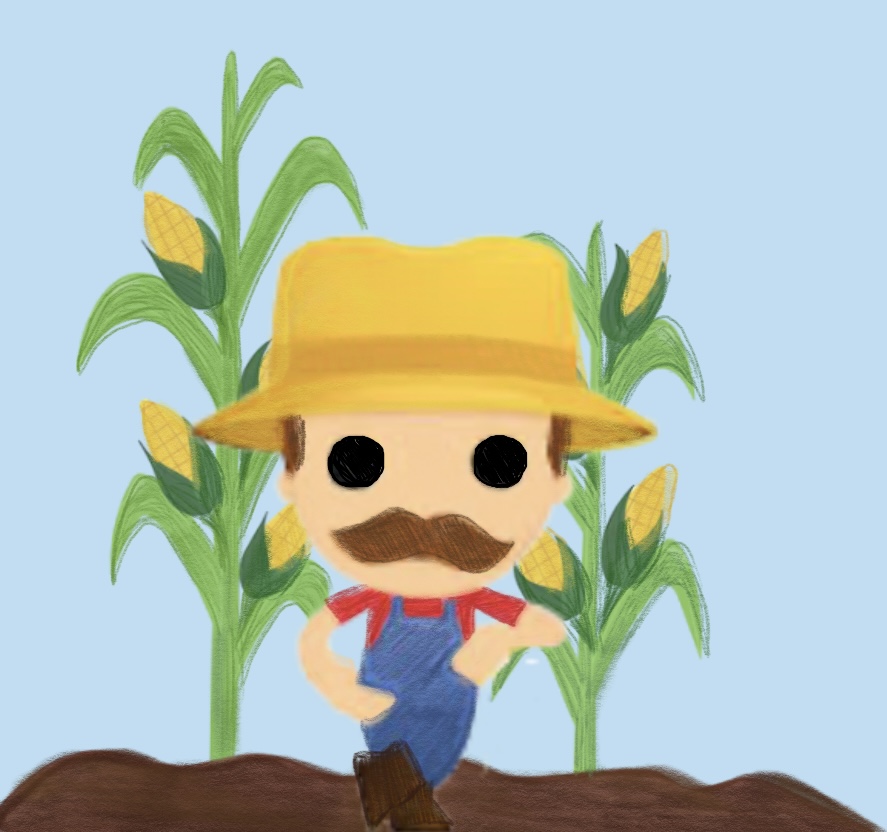
Image courtesy of Latoya Simms
Now, what is the problem with this, you may ask? While there are too many to explore in one article, we can begin with the main issue: most of our food comes from industrial-level agriculture. These farms are closer to factories than the quaint family farm you may imagine.
This presents a range of issues. Firstly is the environmental damage. Due to economies of scale, they specialize in a limited variety of crops, mainly cereals and pulses. Now, imagine if we only ate these foods; it wouldn’t be a very sustainable diet. Our soil and pollinators operate much the same way. They need a diversity of minerals and nutrients, which are not provided by these monocultures. On top of that, most of these industrial-scale farms use chemicals to maximize productivity, which salinate the soil, kill off beneficial microorganisms and pollinators, pollute water and more.
In addition to the environmental instability this system creates, most of these crops are exported, leaving Canada dependent on other countries to import our food. We import 90% of our leafy greens and 30% of all our food, 70% of which comes from the US. This leaves Canadians vulnerable to trade wars, other countries’ production policies and shifting political alliances.
While these issues do seem immense, there is an emerging solution: local, non-industrial farms. These farms have shorter transport routes, creating fewer emissions and less food waste. They create resilience within food systems by decreasing dependence on international imports, and they are more likely to use environmentally sound practices such as organic or regenerative methods. One such example is Sanders Farm, located close to North Hatley. This 120-acre farm grows organic fruits and vegetables sold at local farmers’ markets and was the first certified organic farm in Quebec. Farmers Russel and Therese will come to Bishop’s on Mar. 25 for a round table discussion on the intersection of Politics, economics, philosophy and art through agriculture.
Camila Vásquez’s art project “The Roots are Important,” which explores the cultural and personal significance of farming, will be presented and related topics will be discussed with Sanders farm and Dr. Jane Morrison of Bishop’s Sustainable Agriculture department. This will be located in the Foreman Art Gallery in the Centennial building from 1 p.m. to 2:15 p.m. on Mar. 25.
In addition to such events, Bishop’s recognizes the value of local food systems through community-supported agriculture initiatives, its Sustainable Agriculture program and community gardens for students. Be sure to keep an eye out for more Agricultural Month activities!



 The Campus