
Sara Scafuro – Contributor
You wake up and check TikTok. Five minutes turn into twenty. You open Instagram “for a second.” You scroll during lunch. Before bed; one more video.
It feels harmless. Free entertainment. A break between classes. But here’s the reality: your attention is one of the most valuable commodities in the global economy, and companies are fighting aggressively to capture it.
In traditional economics, companies sold products. Today, many of the world’s largest companies sell user attention. Platforms like TikTok, Instagram and YouTube are technically free. You don’t pay to use them. Instead, advertisers pay for access to you, your time and your engagement. The longer you stay on an app, the more ads you see. The more ads you see, the more revenue the platform generates. Your scrolling time quite literally translates into billions of dollars in advertising revenue each year. For marketing students at Bishop’s, this represents a major shift. The product is no longer just clothing, tech or food. The product is screen time.

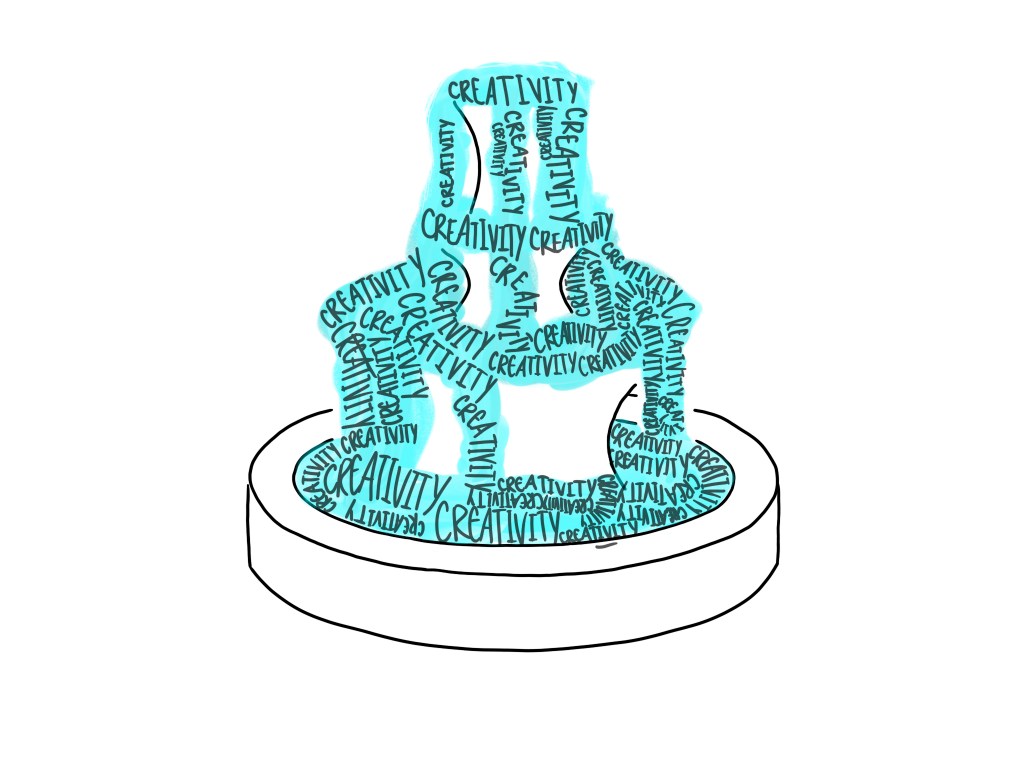
Image courtesy of Oto Godfrey
TikTok has arguably mastered attention capture better than any platform before it. Unlike older social media models that relied heavily on who you follow, TikTok’s ‘For You’ page uses predictive algorithms. It studies how long you watch a video, whether you pause, replay or scroll quickly. Every interaction feeds the system more data. The result? A hyper-personalized feed engineered to keep you watching. The platform is designed to eliminate stopping cues. There’s no natural endpoint. Just infinite content tailored specifically to you.
One of the most powerful design features in modern apps is infinite scroll. There’s no clear end. The content simply continues. From a marketing perspective, this is genius. Traditional media like newspapers, magazines and even television, had built-in stopping points. Once the page ended or the show finished, you disengaged. Now, there is no friction between one piece of content and the next. Your attention flows continuously. This means more exposure opportunities for companies. For users, it means time passes almost invisibly.
Marketing used to focus on persuasion. Brands crafted messages meant to convince consumers to buy. Think television commercials or print ads with clear arguments and slogans. Today, marketing has shifted toward interruption. Brands are no longer waiting for your full attention. They are competing within seconds of it. On TikTok, a brand has roughly two to three seconds to stop your thumb from scrolling. If they fail, you move on instantly. This has changed how ads look and feel. Many now mimic user-generated content to blend into feeds. Influencer marketing thrives because it feels less like advertising and more like entertainment. The goal isn’t always to deeply persuade. It’s to capture attention long enough to register.
For students studying business, marketing, communications or economics, understanding the attention economy is essential. Companies are no longer competing solely on product quality or price. They are competing for mental real estate. The brands that win are the ones that can interrupt, hold and monetize attention most effectively. At the same time, students are participants in this economy. Every scroll contributes to data collection. Every click strengthens targeting systems. The more time you spend online, the more valuable you become to advertisers.
The attention economy raises an uncomfortable question: if attention is a resource, are we managing it wisely? For companies, the answer is clear. Attention equals revenue. For students balancing academics, internships and social lives, the calculation is more complicated. Your focus is finite. Platforms are engineered to consume it. And in a world where attention is monetized, guarding it may become one of the most important economic decisions you make. Because in today’s economy, you are not just the consumer. You are the asset.


 The Campus