
Sara Scafuro – Contributor
When people hear words like “trade wars,” “tariffs,” or “global supply chains,” most students immediately tune out. It sounds like something for politicians in suits or economists on TV. But whether you’re buying groceries in Lennoxville, ordering clothes online, or scrolling TikTok, global trade is quietly shaping your daily life, and your bank account.
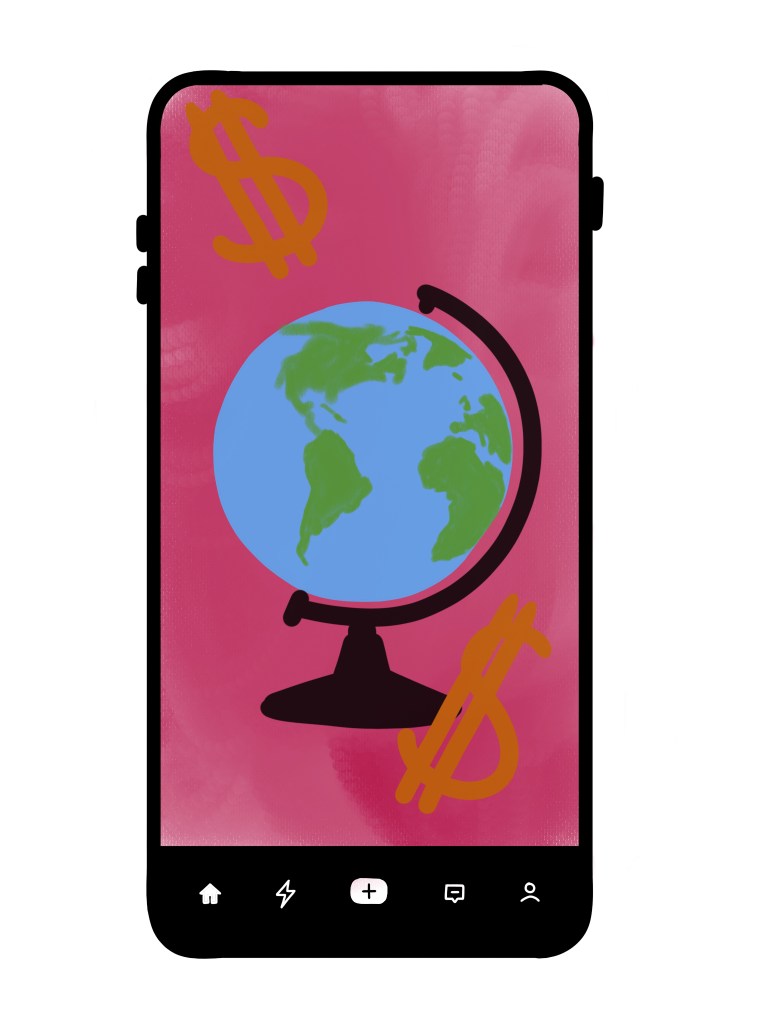
Image courtesy of Gabrielle Lalonde
So let’s break it down without the jargon.
What even is global trade?
At its simplest, global trade is just countries buying and selling things from each other. Canada sells natural resources, food and manufactured goods, while importing electronics, clothing, cars and everyday products. Since no country produces everything it needs, trade keeps prices lower and gives consumers more choice.
The problem begins when political tensions interfere with this exchange.
Trade wars (no, not the military kind)
A trade war happens when countries impose tariffs on one another. Tariffs are taxes placed on imported goods. When tariffs increase, companies pay more to bring products into a country, and those costs rarely stay with the company. They are passed directly to consumers.
For students, this means higher prices for clothing, electronics and even food. Items that once felt affordable slowly become more expensive, stretching already tight budgets. While these increases may seem small at first, they add up quickly over a semester.
Why TikTok keeps coming up in trade conversations
TikTok might feel like pure entertainment, but it is also a major global business caught in political tension. Because the platform is owned by a Chinese company, governments in North America and Europe have raised concerns about data privacy and security. These concerns have led to discussions of restrictions, bans, or forced ownership changes.
For Bishop’s students, this matters more than it seems. Many brands rely on TikTok for marketing, especially to reach younger audiences. Influencer marketing, content creation and social media strategy have become legitimate career paths. When global politics threaten access to these platforms, they directly affect marketing strategies, internship opportunities and job prospects for students entering these fields.
Tariffs and the cost-of-living crisis
Inflation is already hitting students hard. Groceries cost more, rent continues to rise and tuition is not getting any cheaper. Tariffs quietly add to this pressure. When countries place tariffs on food, energy, or manufacturing materials, production and transportation costs rise across the economy.
These increases eventually show up in everyday expenses. Grocery bills climb, eating out becomes less affordable and basic necessities take up a larger portion of monthly spending. Even products not directly affected by tariffs can increase in price due to higher supply chain costs.
“But I don’t study economics, why should I care?”
Because global trade influences more than prices. It affects job availability, hiring decisions and which industries are growing or shrinking. During periods of trade uncertainty, companies may freeze hiring, reduce internships, or delay expansion. For students graduating soon, this can mean a more competitive job market.
Business, marketing and communications students are especially impacted, but no field is immune. Employers operate within a global economy, and understanding that context can help students better navigate their careers.
What this means for Bishop’s students
At a small university like Bishop’s, awareness of global trends can be a real advantage. Being able to connect global events to business decisions shows critical thinking and awareness beyond the classroom. Employers value candidates who understand the environment their organization operates in.
The takeaway is simple: global trade is not abstract or distant. It shows up when groceries cost more, when social media platforms face restrictions and when job markets tighten. Trade wars, tariffs and tech politics all shape the world students are graduating into.
Global politics are already affecting your wallet, whether you realize it or not.

 The Campus