
Jonathan Roach – Staff Writer
With the opportunity of a whole new year ahead, we often overcomplicate self-improvement by making impossible promises in our New Year’s resolutions. Instead of starting 2026 with a daunting list of challenges to live up to, what if we just tried to say “yes” a little more?
Typical New Year’s resolutions strive to change our lives all at once, often piling into a broad and intimidating list: eat healthier, wake up earlier, work harder, be happier. We tend to fail not because we lack discipline, but because we’re overloading ourselves with new and ambitious changes that can’t be sustained. Saying “yes” is an alternative resolution, shifting the focus from chasing immediate perfection toward gradual openness to opportunity, experience, and connection as they arise.
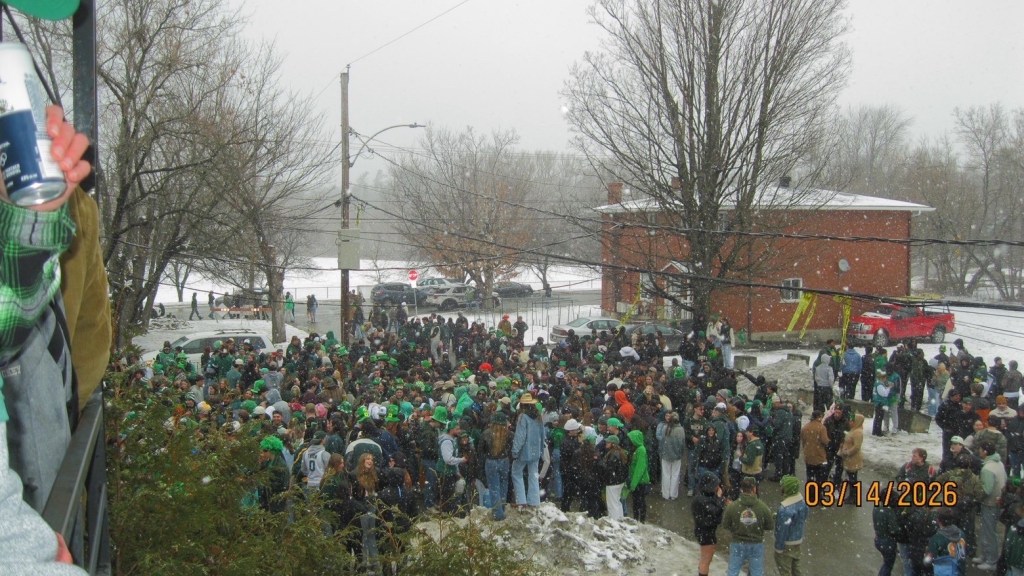
I tried this “action before reaction” mindset in 2025 after a year that felt short on colour and flavour, and it left me happier, more confident and adventurous than I had felt in a long time. Some of my favourite moments from the year came from decisions that I didn’t overthink: going to raves with my friends, discovering new foods, booking trips I’d only dreamt about and even getting frat-married in a wedding dress in front of 80 fellow students on Reed Street because it was something to do on a cold Saturday evening. None of these moments were part of any great plan; they happened simply because I said yes when I normally would have said no or stayed comfortably at home.
This isn’t just a tale of my experience, however; these ideas have been emphasized in motivational psychology for decades. Motivational speaker Tony Robbins has long argued that meaningful change stems from action rather than intention. His idea is that momentum builds confidence, not the other way around. Instead of waiting to feel ready, Robbins suggests that people grow by stepping into experiences first and letting clarity follow. He has often noted that the moments which most enriched his life rarely came from turning opportunities down, but from choosing to engage with them. In this way, immediate action lowers the stakes of self-improvement, replacing rigid goals with movement and allowing progress to be seen by looking back on experience rather than planning endlessly ahead. Personal growth, then, becomes less about discipline and more about participation.
To be clear, this isn’t a call to live like Jim Carrey in Yes Man, blindly saying yes to everything from Korean language classes to flights bound for Lincoln, Nebraska. Rather, this is a reminder that university is one of the few spaces where saying yes carries relatively low risk and high reward. Here at Bishop’s, we’re very fortunate to have such a tight-knit community with opportunities that are often overlooked. Join the club you’ve been curious about, go watch the fashion show or BU Film Festival, say yes to that karaoke night at the Lion. These experiences can easily be taken for granted, but keep in mind that we’re just here for a good time, not a long time.
“Remember how you entered; be proud of how you leave” is written on the very walls of this campus. Perhaps the simplest way to honour that message is by saying yes to the moments that invite us to grow.
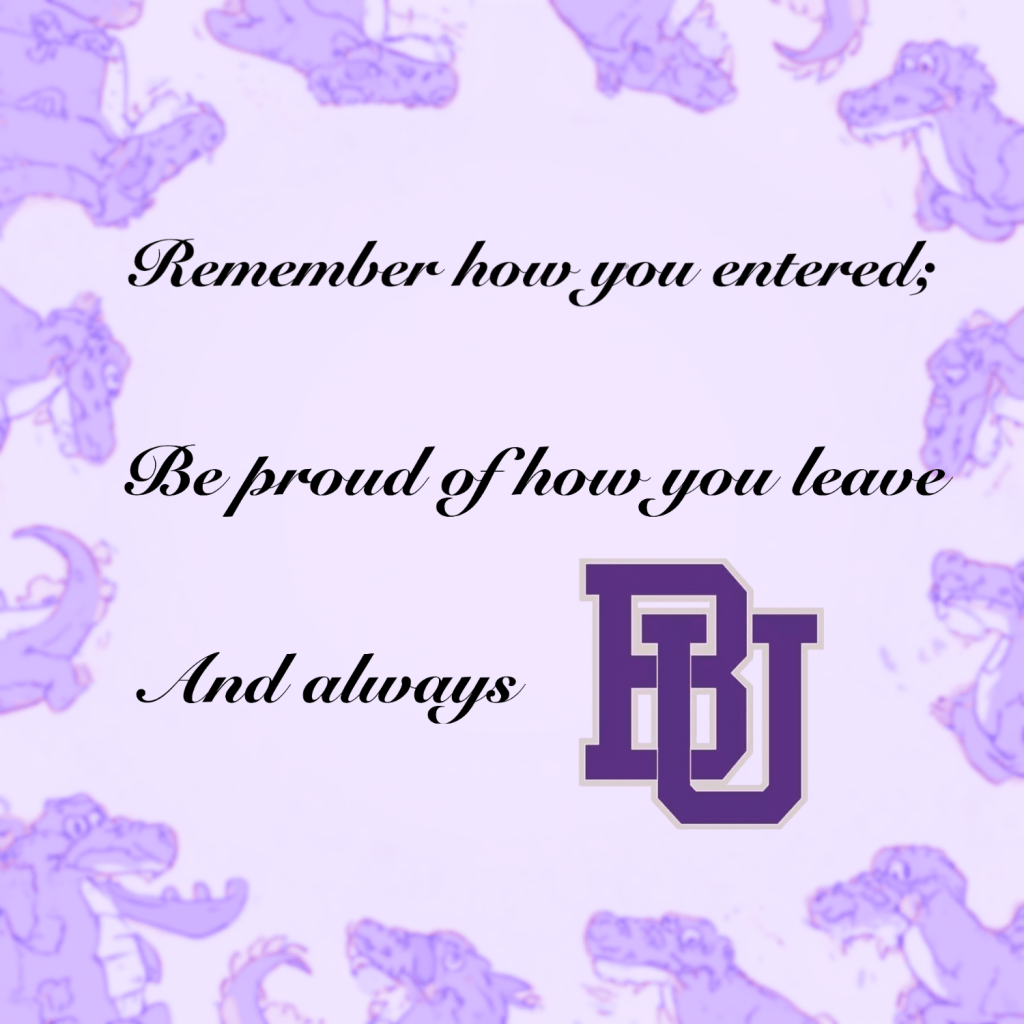
Image courtesy of Latoya Simms

 The Campus