
By Christina Lépine – Staff Writer
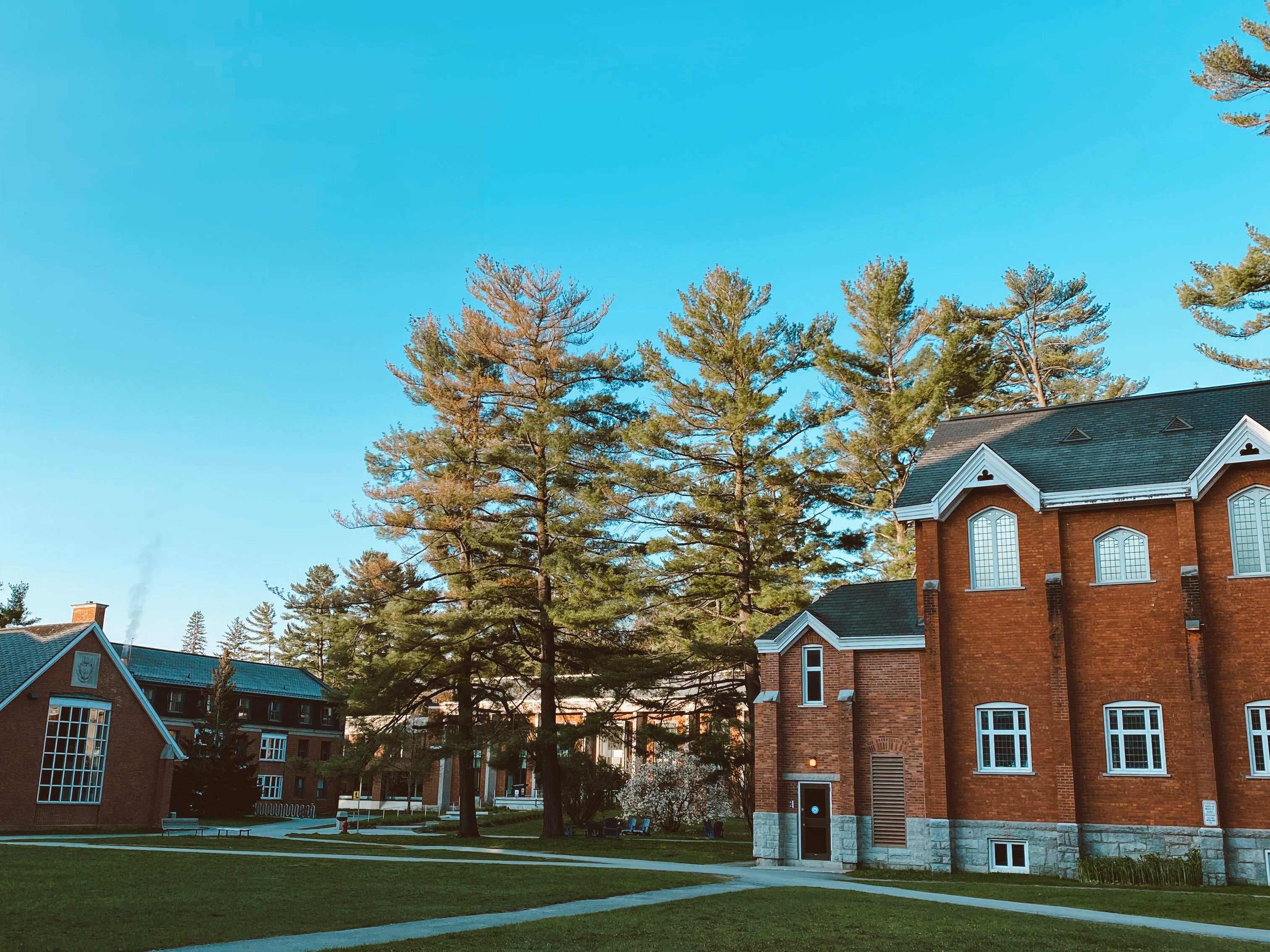
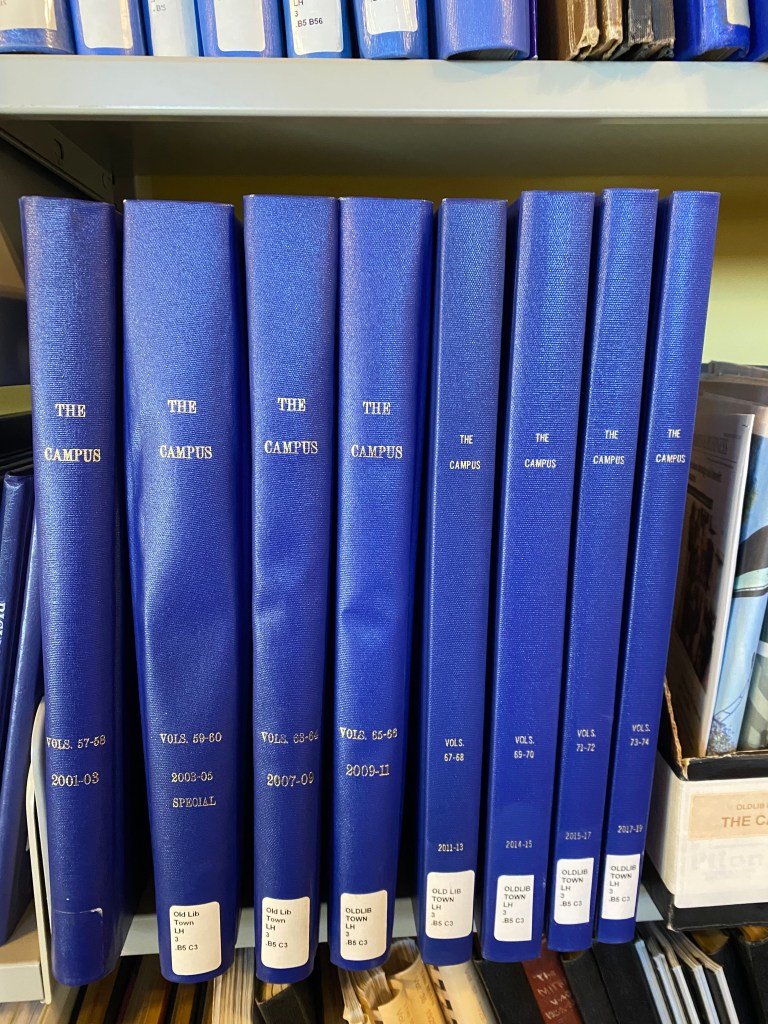
As I stepped foot into the old library in the McGreer Building to work on assignments, I noticed a shelf full of royal blue albums containing older editions of The Campus newspaper. As I browsed through old issues dating back to the 1980s, I wondered what life looked like on campus then and what news was reported. This led me to reflect on our campus’ history and how little I knew about the people who inspired all the building names. I started digging in the university’s archives to learn about the Bishop’s history. Here is what I found.
Founding Bishop’s
Bishop Mountain, an Englishman who came to Canada in the 1790s, co-founded Bishop’s College in collaboration with Reverend Lucius Doolittle, whose name you see when shopping for books and merchandise at our student co-op in the Student Union Building, officially called Mountain House. In 1845, Reverend Jasper H. Nicolls was appointed the first Principal of Bishop’s College, and in collaboration with Bishop Mountain, obtained the Royal Charter to raise the Bishop’s College to the status of a university. The first principal’s name is featured on the Nicolls Building. In 1894, Maude Abbott, one of Bishop’s medical faculty’s most widely acclaimed graduates and one of the first women graduates, received her degree. We can now hear her name whenever one talks about Abbott Field, situated next to the old arena.
The 1900s
In 1922, Reverend Arthur Huffman McGreer became Bishop’s ninth Principal and succeeded in doubling enrollment and achieving financial stability and academic autonomy during his 25 year term. Bishop’s most emblematic McGreer Building, now housing administrative offices and conference rooms, is named after him. On Nov. 10, 1944, the first issue of the student newspaper The Campus was published. In 1947, The Campus newspaper and the Committee on Athletics sponsored a competition to find a nickname for the university’s football team, and a student’s suggestion of a gator won. The name was then changed to be spelled “Gaiter” as a play on words for an Anglican College.
In 1961, Bruce Coulter was hired as Director of Athletics and Head Football Coach and built a strong football team and alumni network of former athletes. In 1991, the football stadium was named in his honour, as our Bishop’s Gaiters now play on Coulter Field. In 1964, four students wrote and sang the Bishop’s song at the annual Bishop’s Winter Carnival, now known by all as Winterfest. This song became an important tradition as all students participating in Orientation Week must serenade the principal as a rite of passage.
What is next?
These historical events only form a portion of Bishop’s rich history. As I searched through archived documents and testimonies from former students, I discovered fun facts that made me enjoy studying here even more. As my time on campus comes to an end, I find myself thinking about all the former students who created the Bishop’s community through time and current students who keep improving it. I strongly encourage others to partake in this exercise and discover more about our campus’ history.


 The Campus