
By Samiya Bouziane Merceron – Contributor
When searching “Are universities using AI to grade assignments?” in the Google search bar, the first answer is delivered courtesy of Google’s AI overview. The answer? “Yes, some professors are exploring and using AI tools to assist with grading assignments…” Scroll for a few more seconds, though, and articles highlighting the conflicting takeover are hiding just underneath. Many have already rapidly adapted their mindsets about the use of AI in the academic setting just a few fleeting years later. What does this rising use of artificial intelligence mean for the relationship between professors and their students?
I remember the first time I was warned about the consequences of using AI. About halfway through senior year, our teacher firmly explained that any use of ChatGPT in our essays or assignments would not be tolerated. Any submissions that were caught as being AI-generated would not count. There was a certain air of disappointment clouding his lecture on AI usage –students turning to an artificial tool to complete their entire assignments almost seemed taboo. It was framed as a more heinous type of plagiarism because teachers could “easily tell” when we were not writing in our usual voices.
However, this argument became strained after nearly two years of development. The use of AI became more normalised, evolving immensely by the time I graduated and began my first year here at Bishop’s University. Friends and family suggested I start thinking about using artificial tools to improve my writing and “get ahead” of the new standard being built. I was shocked by this, already so tired of seeing AI advancing its occupations in artistic spaces. Attention was being paid to AI short films, stories, paintings, and music. It became increasingly difficult to spot whether or not the influence of a human had been abandoned in the creation of these projects, and it didn’t take long for this to get super frustrating. Somehow, humans became the bothersome middleman between creativity and creation.
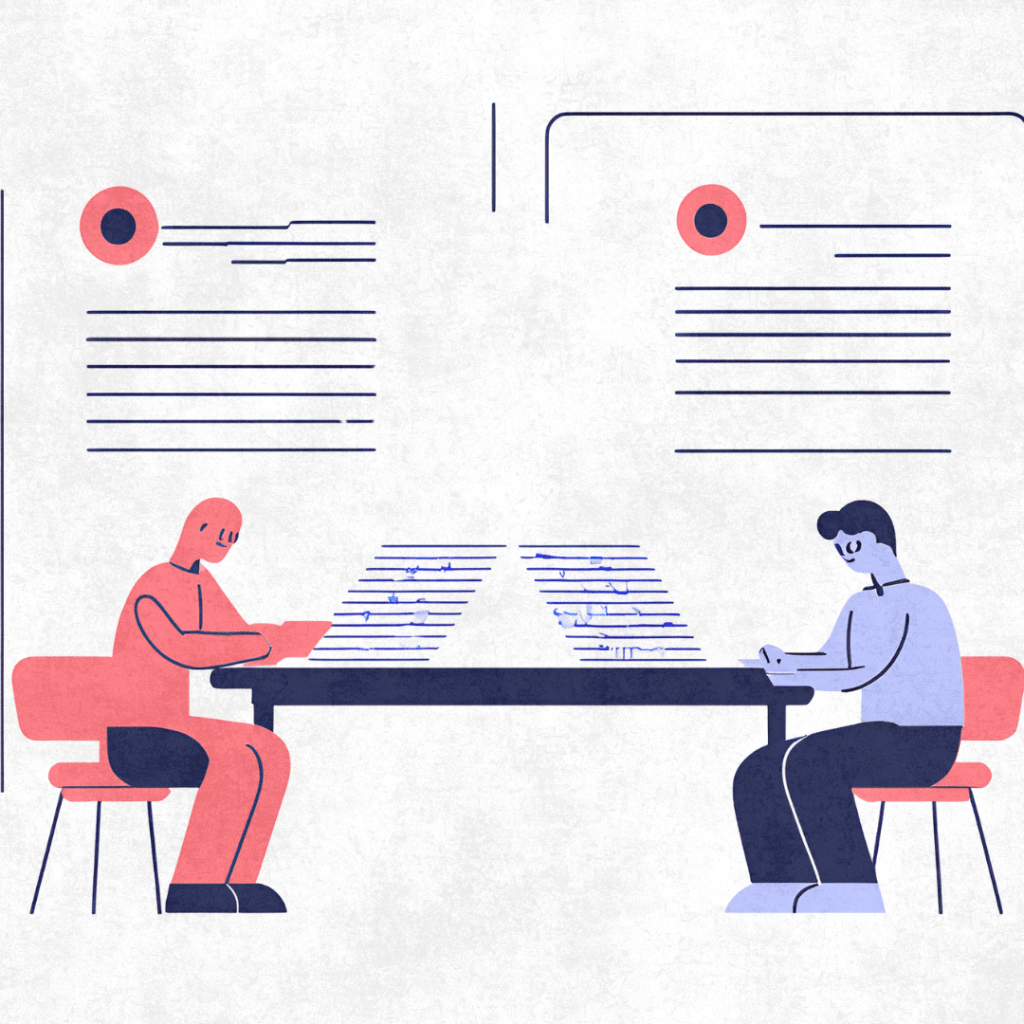
There were still warnings sprinkled through syllabi and made by professors, but intolerance progressively softened with each passing semester. The rising prevalence of the ‘artificially intelligent tool’ seemed to be successfully wearing down its initial impression as a ‘cheating’ tool in most of the academic world. Its evolution birthed new and improved mechanisms, specific commands, and quicker answers. These adaptations not only became increasingly rebranded as convenient for students and their course loads, but also for professors and the work they would eventually have to grade.
There are obvious positive aspects to the moderate use of AI, such as much-needed relief for professors with large class sizes. However, I don’t find it ridiculous to address the path we are following. We may be on the verge of losing the ability to recognize the distinct voices that separate us from the production of artificial intelligence. There is now a real chance of AI content being fed into AI graders between students and professors. At what point during this process will both the learner and the teacher resign from their critical roles?


 The Campus