
By Theo Gervais – Contributor
United States President Donald Trump will most likely impose a 25 per cent tariff on goods imported from Europe over the next few weeks. Tariffs are expected to have a profound impact on the European Union (EU) economy but also affect long-term commercial relationships with America. Tariffs initially imposed in 2018 were supposed to counterbalance trade imbalances and unfair trade practices as observed from America’s perspective. Tariffs on steel, aluminum, as well as automobiles, have already imposed a serious challenge on European industries.
The next round of tariffs will likely have a much deeper impact on the EU economy. The automotive industry, a pillar of Germany’s economy, will also be subject to tariffs. Historically, European automotive leaders such as Volkswagen, BMW and Mercedes-Benz have been heavily reliant on export markets such as the US to sell their cars. The new tariffs are increasing the cost of European vehicles in America, making them non-competitive with non-European brands. Lower sales in the US will likely squeeze margins further for European automakers. This latest development comes at an unfortunate time when Chinese auto brands seem to have taken leadership in electric car making. A combination of new battery technology as well as efficient manufacturing in China seems to have created a forceful set of Chinese auto competitors. Problems at Mercedes-Benz are accelerating. The company is now forecasting profits to be “substantially” smaller in 2025.
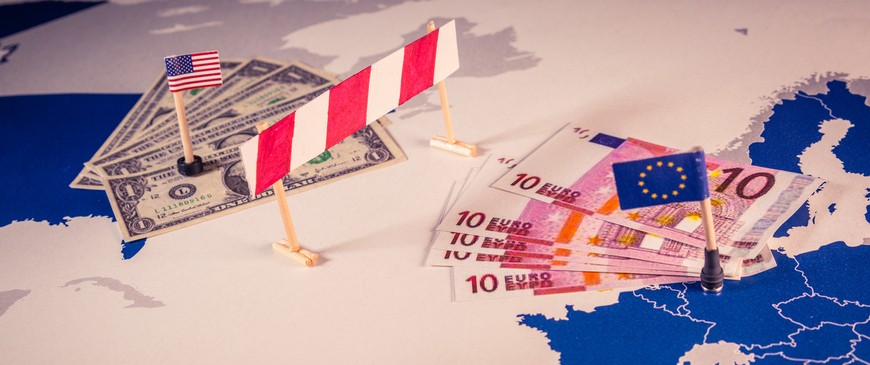
The situation is forcing European automakers to reassess their industrial strategy, with some contemplating moving production to America or targeting alternative markets to make up for the lost sales. The European Union is also actively seeking new trading partners to diversify away from the current commercial trade. In addition, the EU is also heading towards a more powerful internal market with a focus on innovation and projects on sustainability such as the European Green Deal. The strategy shift by the EU towards new trading partners, as well as its focus on domestic growth, will be crucial in countering Trump’s 25 per cent tariffs on imported goods.




 The Campus