
By Katy Stoneburner – Features Editor
The 2025 Leadership Committee for English Education in Quebec (LCEEQ) centered on the theme of “Enriching a Culture of Belonging,” bringing together educators, researchers, and thought leaders for two days of insightful discussions and collaborative learning. Throughout the event, speakers explored the significance of emotional intelligence, leadership, and collective efficacy, weaving together a narrative that highlighted the essential role of belonging in education.
Dr. Marc Brackett, founding director of the Yale Center for Emotional Intelligence, opened the conference by emphasizing the power of emotional intelligence in transforming learning environments. His insights set the stage for deeper conversations about how schools can nurture student well-being by fostering a sense of value and connection. Beginning the second day, Monique Gray Smith shared a moving reflection on her personal journey, demonstrating how a single moment of encouragement can change a life. Her message of hope and resilience resonated deeply, reinforcing the idea that belonging is cultivated through relationships and meaningful interactions.
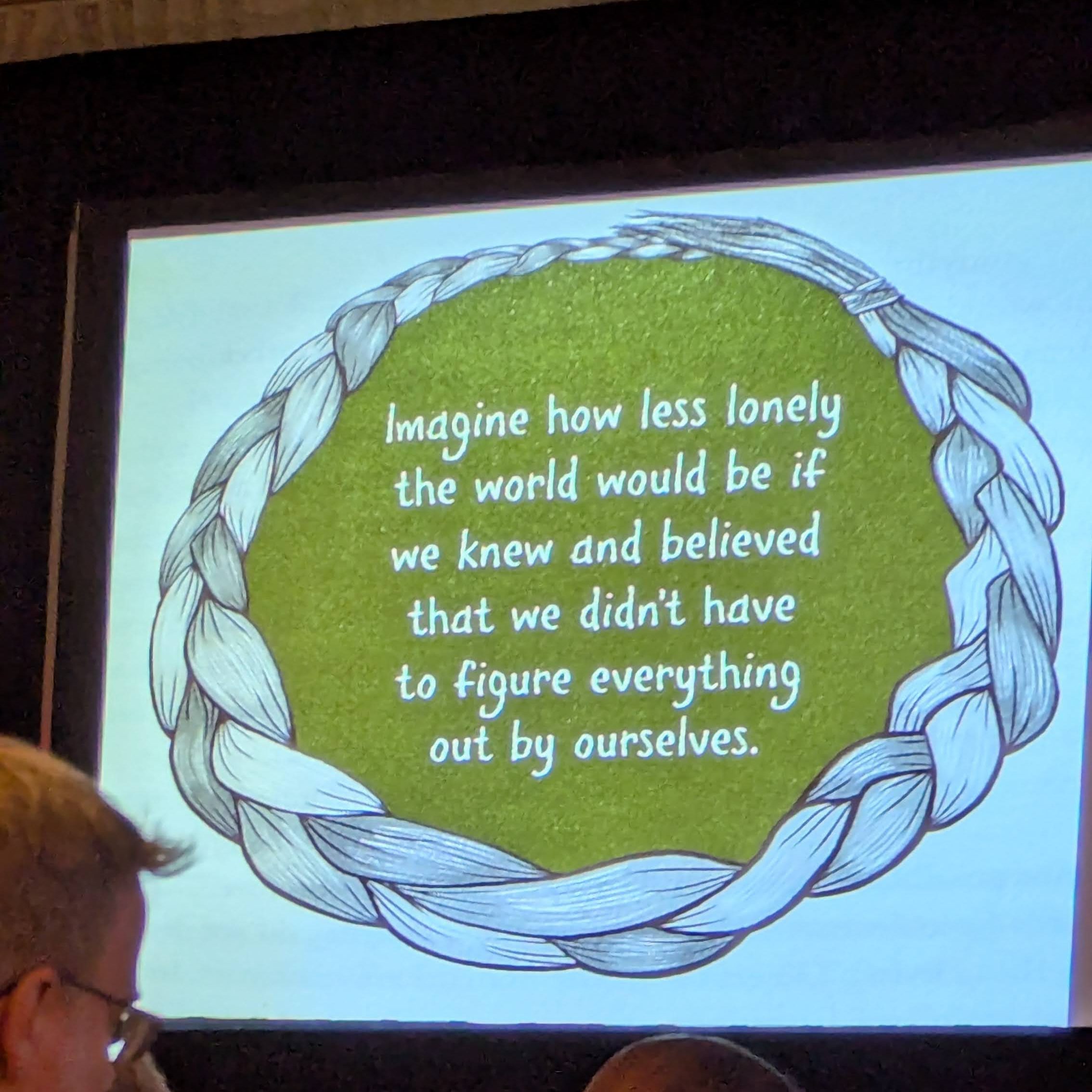
Attendees were then able to participate in workshops that built upon these themes. Ainsley Rose’s “Moving from Belonging to Believing in Creating Collective Efficacy” explored the transition from fostering a sense of belonging to developing collective efficacy within educational communities. He highlighted the power of self-efficacy in motivating individuals and driving meaningful collaboration, a sentiment echoed in Julian Barling’s discussion on leadership. Barling challenged the notion that extraordinary leadership requires extraordinary behaviors, instead advocating for small, intentional actions that inspire and support others. His emphasis on reciprocity and adaptability underscored the importance of fostering inclusive spaces where students and educators alike feel empowered to grow.

The role of technology in education also emerged as a crucial aspect of fostering belonging. Petros Kolyvas spoke on demystifying artificial intelligence, illustrating how AI can serve as a tool to promote accessibility and engagement in classrooms. His session encouraged educators to use AI to facilitate meaningful discussions, provide personalized support, and guide students toward deeper critical thinking. However, he also emphasized the ethical considerations and challenges of integrating AI into education, sparking discussions on how to ensure equitable access to these tools. A participant even spoke to the challenge of adopting AI for teachers, faculty, and institutions, which is not equal to the speed of changes for students, stating “Students are advancing quickly, education is not”.
Throughout the conference, other workshops and discussions further explored the importance of belonging in education. Sessions delved into strategies for supporting students from equity-deserving groups, integrating restorative practices to create positive school climates, and addressing the unique needs of students in rural communities. The challenge of ensuring that equal access to education translates into equal opportunity was a recurring theme, prompting conversations about dismantling systemic barriers. Another critical topic was the need to support early career teachers, recognizing that fostering a sense of belonging among educators is just as essential as it is for students. From discussions on small-group interventions for reading success to approaches for integrating newcomer students into school communities, the conference underscored that belonging is a shared responsibility.
As LCEEQ 2025 came to a close, attendees left with a renewed sense of purpose and practical strategies for fostering belonging in their educational environments. Whether through emotional intelligence, inclusive leadership, collective efficacy, or innovative technological tools, the conversations sparked at this conference serve as a reminder that belonging is not merely a goal—it is the foundation upon which transformative education is built.




 The Campus