
By Theo Gervais – Contributor
Donald Trump’s proposal to impose a 25 per cent tariff on Canadian imports has cast a shadow over Canada’s economy, threatening key industries and increasing economic uncertainties. As different sectors prepare for impact, the oil and lumber industries have emerged as being at the center of this looming crisis.
Canada is facing harsh realities as oil exports heavily rely on American refineries. With most of the crude oil being refined at midwestern refineries, tariffs will most likely disrupt the flow and price of Canadian oil. Canadian crude oil discounts are already showing signs of strain: with differentials between world prices and Canadian prices widening. A 15 per cent hit to production prices is very much possible.
The impact of tariffs would likely not only impact Canadians but also U.S. consumers who may face sharply higher gasoline prices. Canadian producers will likely attempt to ship oil away from the United States and force U.S. refineries to import from far away places such as Saudi Arabia at a premium to current prices.
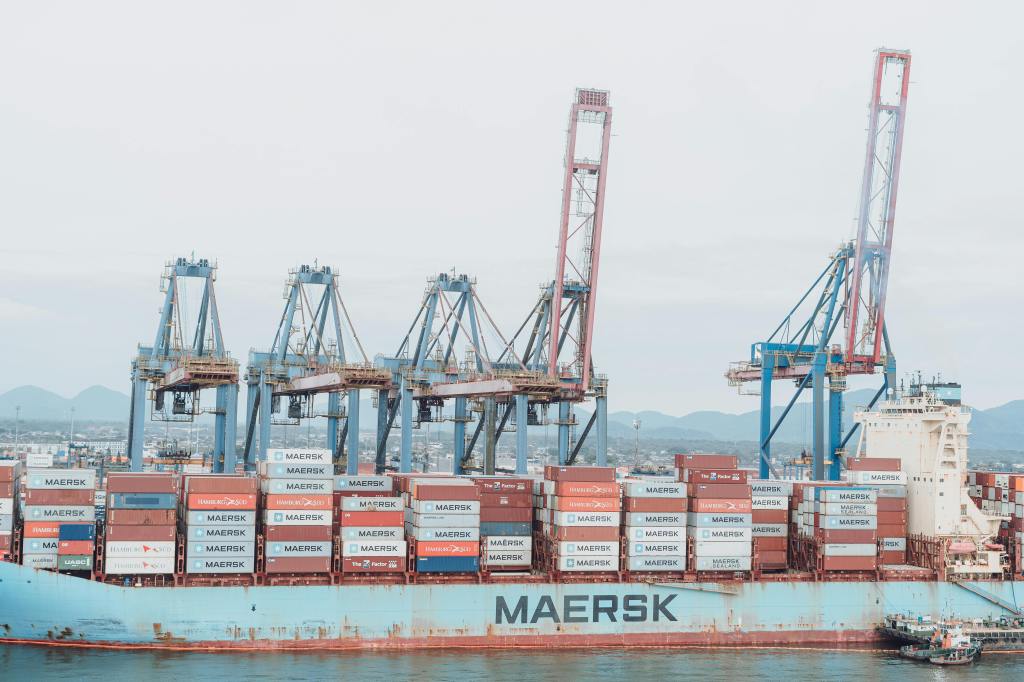
The lumber industry is likely to suffer further but most likely from an already weak position. Canadian lumber shipped to the U.S. is already heavily burdened by duties, which stand at 14.4 per cent. There is a real possibility that universal tariff will boost that number to a staggering 50 per cent. Such large duties would likely be disastrous for Canadian lumber exports to the U.S. and force companies to either shut production or divert production to other markets. Any increased lumber price would destabilize the States’ housing market while further squeezing producers north of the border. “The industry has paid over seven billion dollars in duties over the past eight years, and this is on top of an already heightened state of duties between Canada and the U.S.,” Susan Yurkovich of the B.C. Lumber Trade Council told Bloomberg in response.
Industry experts assess the risk of 500,000 jobs being on the line across Canada; Ontario, basically entwined with U.S. trade right to its economic DNA, especially stands to suffer. If job losses begin to mount at that scale, a ripple effect on multiple sectors is to be expected, eating into consumer confidence and further cascading in the economy.
Under the most likely scenario, a universal tariff on Canadian exports would force the government to take unprecedented action to stabilize industries. Canadian oil prices, as well as many oil company stock prices, have already shown a decline and are predicted to drop further if tariffs are implemented. The over-exposure of the Canadian economy to American markets highlights the need to diversify Canada’s trade relationships and grow industries insulated from U.S. tariffs. Canada’s base plan should expect tariffs to be a recurring issue, showing it may be the right time to explore new opportunities in international markets.



 The Campus