
By Katlyn Stoneburner – Features Editor
For many, January marks a time for fresh starts and new habits. One growing trend is Dry January, a month-long challenge to abstain from alcohol. While initially aimed at older adults looking to detox after the holidays, this movement has found surprising traction among Gen Z students—a generation reshaping societal norms, including their relationship with alcohol.
Rethinking Drinking: Gen Z’s Unique Approach
Unlike previous generations, Gen Z is rewriting the rules regarding drinking. Studies suggest that Gen Z consumes less alcohol than Millennials or Gen X did at the same age. This shift is often attributed to several factors:
Wellness Culture: Gen Z places a high value on mental and physical health, viewing excessive drinking as counterproductive to their overall well-being.
Financial Consciousness: For students juggling tuition fees and tight budgets, spending less on alcohol aligns with their pragmatic approach to money.
Social Media Accountability: Growing up in the age of smartphones, Gen Z is acutely aware of how their actions can be documented and judged online. A messy night out is less appealing when it can follow you indefinitely.
Dry January fits seamlessly into these priorities, offering a chance to reset, focus on personal goals, and even experiment with a lifestyle that doesn’t revolve around alcohol.

A Broader Shift in Alcohol Culture?
While Dry January may be a short-term commitment, it could be part of a larger trend. The rise of popularity in alcohol-free alternatives—like Tom Holland’s BERO non-alcoholic beer—suggests a growing demand for inclusive options that don’t rely on drinking. Bars and restaurants are increasingly catering to this demographic, offering menus that emphasize creativity without the booze.
This trend goes beyond abstinence—it’s about reimagining how people connect and socialize without relying on alcohol. Gen Z is challenging the idea that fun and connection require alcohol. Instead, they are exploring activities like sober dance parties, coffee meetups, or fitness-based hangouts, reshaping what it means to unwind and celebrate.
Drinking Culture on Campus: Time for Reflection?
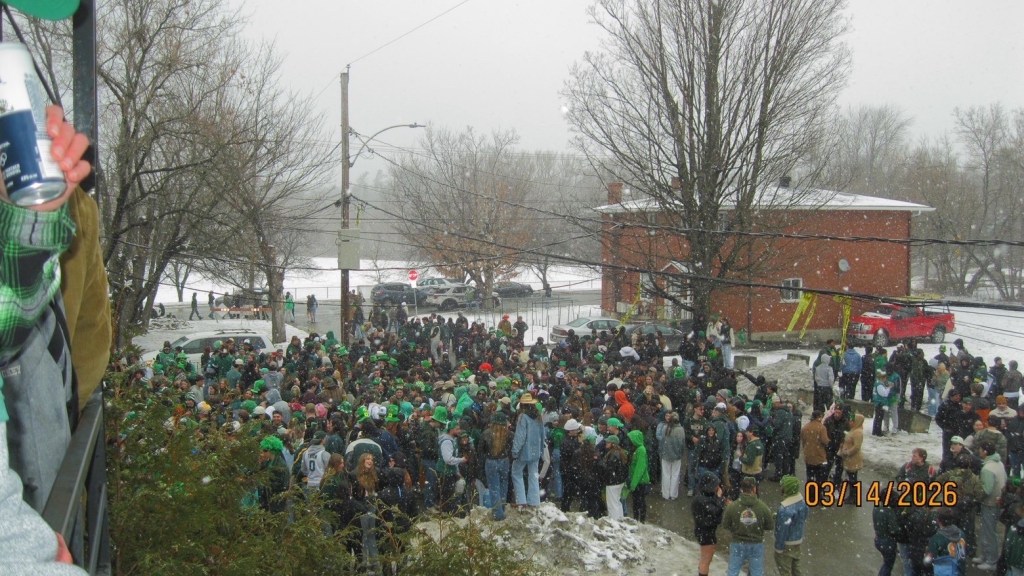
For Bishop’s, this generational shift raises important questions about the drinking culture on campus. While binge drinking remains a reality at many schools, the normalization of “dry” alternatives signals an opportunity to rethink the role alcohol plays in university life.
The traditional university experience has often been synonymous with wild parties and pub crawls, but this narrative doesn’t resonate with everyone. For some students, heavy drinking environments can feel exclusionary or even unsafe. Others are simply looking for ways to connect with peers without the pressure to drink.
Bishop’s could take cues from Dry January and begin implementing initiatives that foster a more balanced culture. Organizing sober events, promoting alcohol education, and providing accessible alcohol-free spaces could make campuses more inclusive for all students.
Why Dry January Matters
Participating in Dry January isn’t just a break from drinking—it’s a chance to evaluate one’s relationship with alcohol and explore new ways to engage socially. Whether it’s about saving money, boosting mental health, or simply taking a break, Dry January represents more than just a fleeting trend. It’s a testament to how this generation redefines fun, connection, and the college experience.
As more students embrace the challenge, Dry January could spark long-term cultural shifts—on campuses and beyond. Is it time to view drinking culture through a new lens? For Gen Z, the answer is a resounding yes.



 The Campus