
By Maika Beland – Contributor
Imagine being a young student forced to flee your home country, living without a stable place to call home and attending school in a building without solid walls. This is the harsh reality for many migrants in Mae Sot, Thailand. For decades, ethnic minorities in Myanmar have faced repression and conflict with a government dominated by the Bamar and backed by the military. Many individuals have been imprisoned for speaking out against this regime, while thousands have sought refuge in camps in Thailand, and millions have fled the country in search of better economic opportunities.
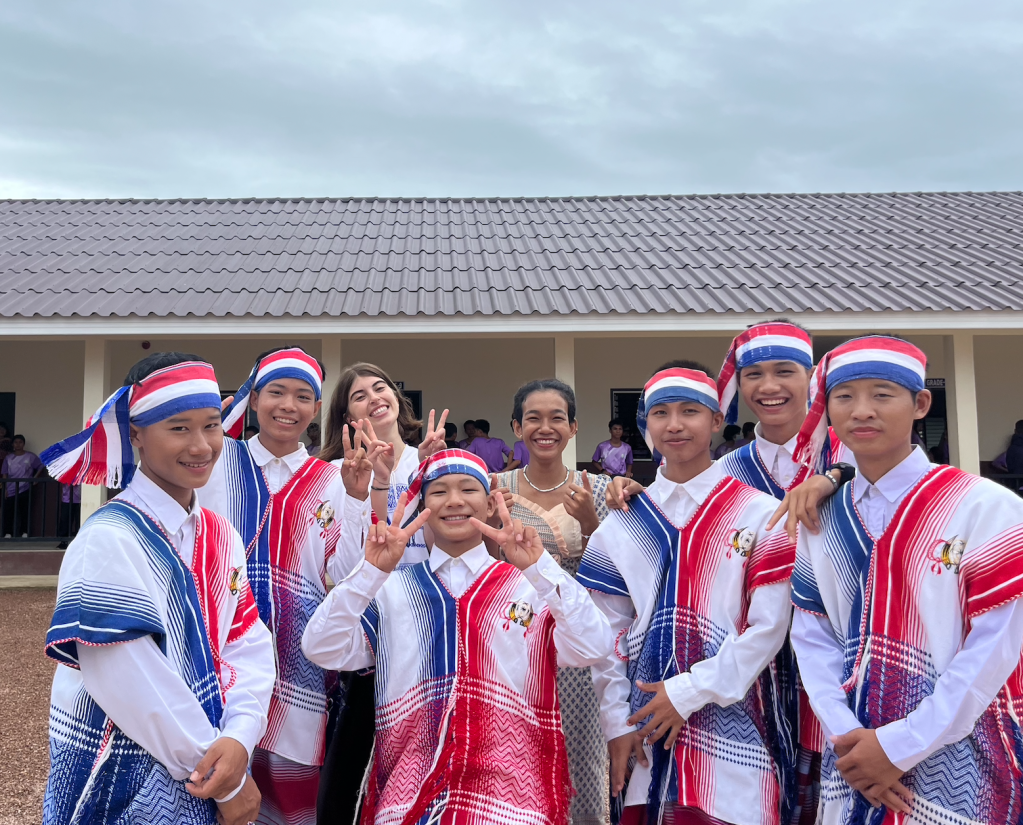
Despite these challenges, many children outside the camps have found hope and safety in the network of migrant learning centers that emerged in the late 1990s. Before the COVID-19 pandemic and the political coup, Mae Sot was home to about 150,000 migrant workers. Since the coup, an additional estimated 30,000 to 50,000 migrants have arrived in Mae Sot, significantly increasing the number of young people attending migrant learning centers—growing from roughly 8,000 to about 17,000. This growing network of learning centers plays a crucial role in providing education and support for these vulnerable children, offering them hope for a brighter future.
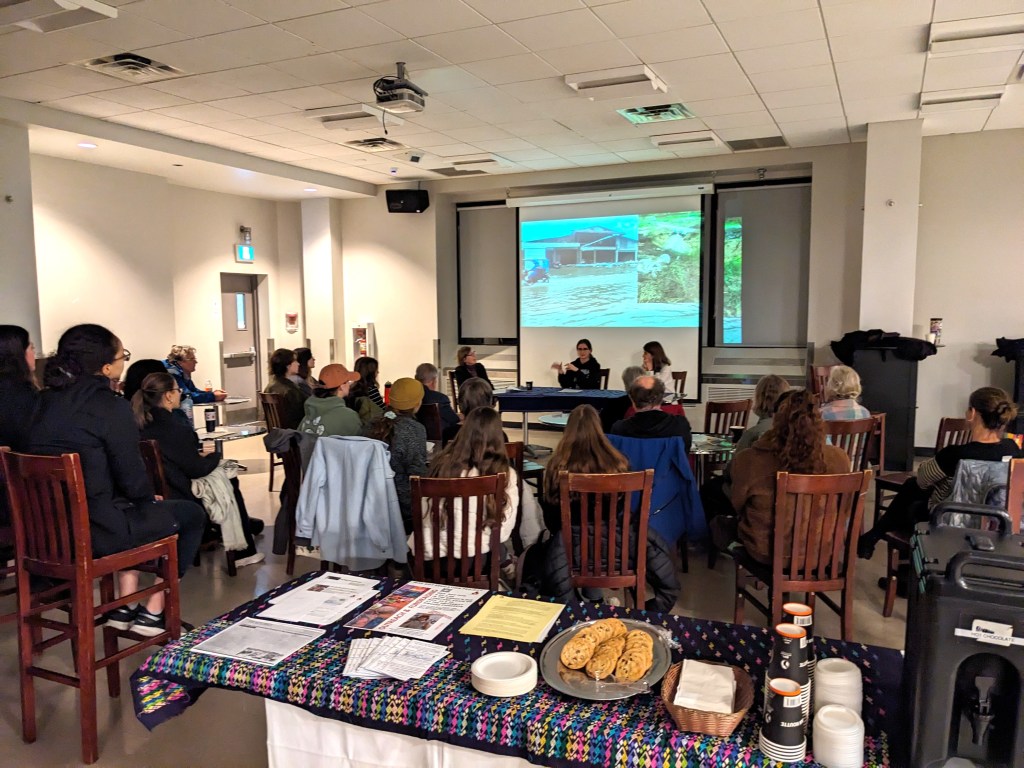
On Nov. 4, in the Gait, an important event showcased the experience of the Mae Sot Education Project volunteers who just returned from their experience in September. The Mae Sot Education Project is a small organization that prepares and sends volunteers from Bishop’s and Champlain College to Mae Sot to support English learning in migrant learning centers. At this event, students Florence and Maika shared pictures of their experience and discussed the hardship of the Migrant Education community.
What is clear is that the lives of young people in Myanmar are completely disrupted by the trauma they experienced in the place they called home. As they seek safety in Thailand, they are still not free from this trauma. Every loud noise they hear, every police car they see and every phone call they receive from their family in Myanmar is a source of anxiety for them. These migrants may be physically safe in Thailand, but mentally, so many barriers still surround them.
Other barriers for the migrants are the lack of documents that permit travel beyond the border, poverty, living conditions and the Thai government not considering them refugees, thus restricting movement and deporting them if they are caught. Overall, they are stuck, and it is hard to be hopeful for the future. Realistically, the young migrants in Mae Sot do not have a lot of options, especially if they do not have legal documentation. How do they keep going and not give up? Where does all their resilience come from? What is clear is that the migrant community is incredibly strong; they put their strength together to hold onto hope. Smiling and laughing together is how they keep pushing through. Connection with one another is how they survive as they share the same reality.
Our lives may differ, but we all share a common humanity. It is important to advocate for the rights of migrants in Mae Sot that are searching for a safe place to live. While there is a lot of pain in the world, there is also a lot of love and understanding to build on. We can learn so much from the stories of sadness and hope. Together, we can work towards a future where everyone feels safe and valued, no matter where they are from. Applications are open to volunteer for the Mae Sot Education Project.


 The Campus