
By François Leblanc – Contributor
Student innovators filled Cleghorn for the third edition of Project Incubator, held over the weekend of March 23-24, to learn how to organize and implement campus or community projects.

Project Incubator is a starting point for students, bringing together creative change-makers to organize a project and guide them toward implementing their ideas on campus and in the local community. In the past, the event has supported the creation of the ultimate frisbee club and the continued growth of the Anti-Discrimination and Racism Committee (ARDC).
This year’s event was co-organized by student and Stadelman Fellow Shakina Blackstock-Pearce, who embraced the challenge of creating an event by and for student innovators. Blackstock-Pearce was supported by the campus’s leadership development facilitator, Katie Bibbs, and Rossy Leadership intern, Ruth Michelle Tanguep Youmbi.
During the event, Project Incubator facilitators offered their experiences and knowledge through sessions dedicated to specific aspects of project development. The Trauma Awareness Project, ARDC, Psych Club and several student leaders who had brought their own projects to fruition led sessions from visioning to proposal writing and action planning. Some of these leaders included 3M Fellow Sufia Langevin, Toast Radio’s Alexandre Mador and the co-founder of the undergraduate research journal, Virginia Marquez-Pacheco.

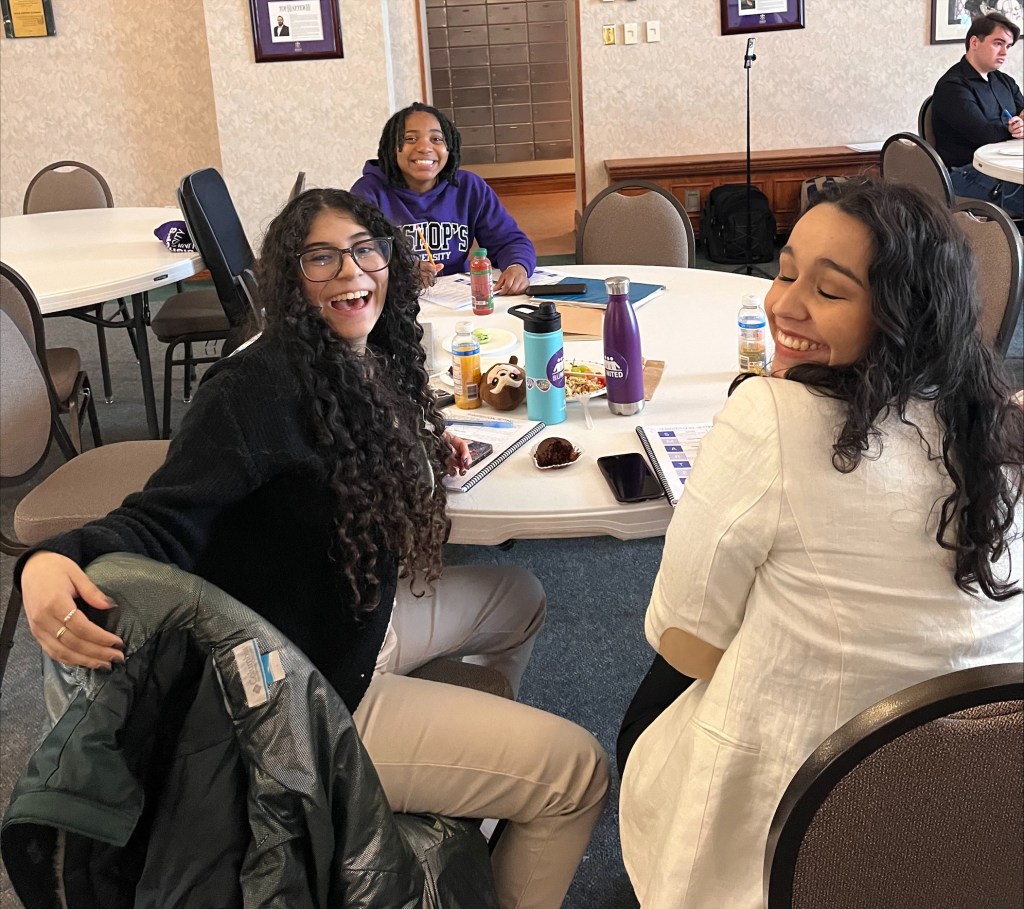


Facilitators asked students to define the ‘why’ of their project, their mission and vision, and how to implement their ideas, including by registering, making contacts and calculating finances. Students learned budgeting tips, online crowdfunding, fundraising opportunities and how to create a budget template. Students were encouraged to conduct their own research on business and communication management.
They worked to bring all the skills together in a proposal that would help them access the resources necessary to grow. In just thirty seconds, they explained their project’s purpose, approach and expected outcomes to their target audience.
Bibbs, who founded the initiative, explained that she started Project Incubator “as a result of working with passionate and curious students who had great ideas but no clear path forward to develop them.” After the Incubator’s premiere in 2021, she said that “the feedback was so great that [they] have continued to evolve programming and format ever since.”
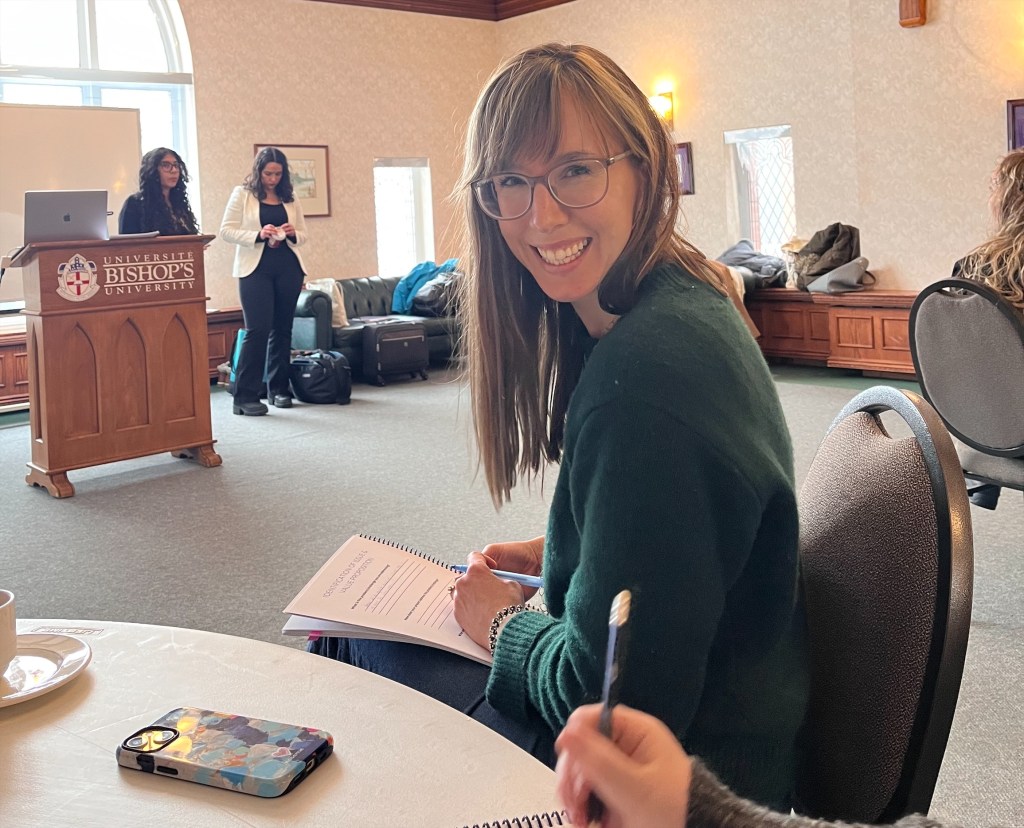
Blackstock-Pearce shared that she was drawn to organizing this event because of her own experience as a student having a project idea and not knowing where to start or how to get it done. “Student participants could see that there was value in their ideas, and that there are people who are willing to be there with them to bring their ideas to life,” she stated.
Participant Sandrine Tousignant, an honours music student, wants to create a specialized lifeguard manual and course, which would include adapted emergency procedures. Tousignant explained that the goal of her project is to improve equity, diversity and additional safety in pools. Reflecting on the event, she says she has “learned communication tools to present [her] project in a clear and summarized manner.”
To date, there have been over 40 projects that have participated in Project Incubator. Bibbs shared that a workbook will be published this coming fall to guide people “through each step of the project planning process autonomously, so that they can work on their initiatives on their own time.” Bibbs explained her hope is to “reach more student change-makers by providing the resources outside of the weekend event, which is brilliant for those who can make it, but not accessible for all.”
Have a project idea? For more information on the resource workbook currently in production or Project Incubator, reach out to Katie Bibbs: kbibbs@ubishops.ca.


 The Campus