
By Léa Côté – Contributor
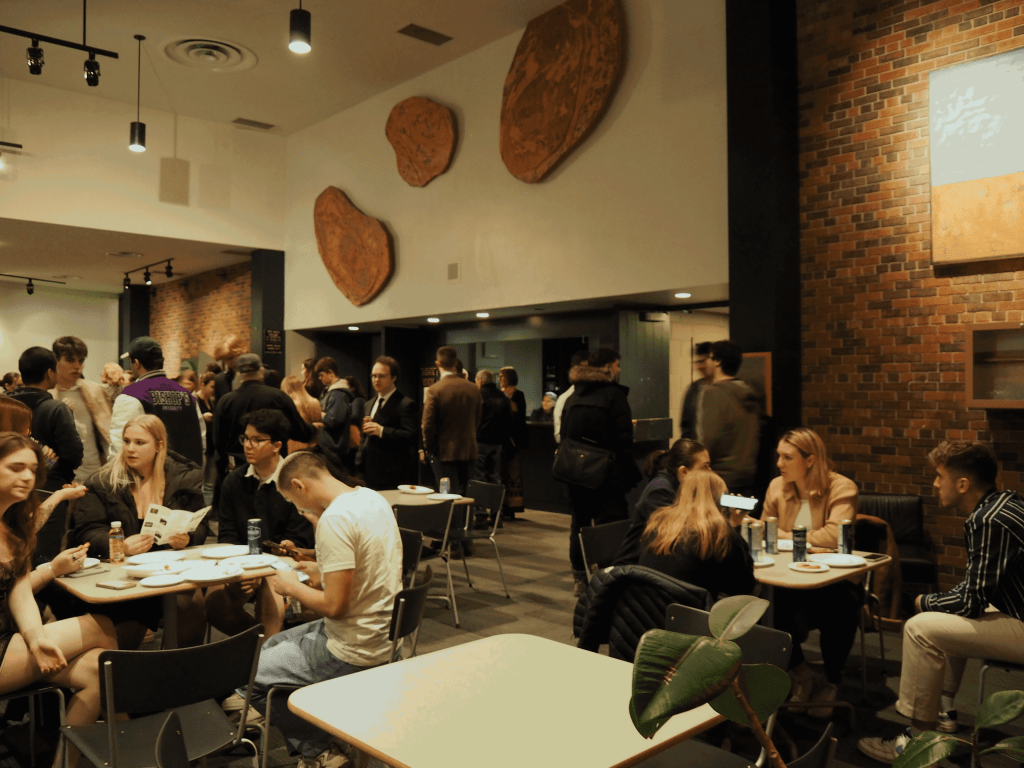
Last Friday, April 5, the Bishop’s University Film Festival (BUFF) celebrated its 10th anniversary as students, family and other members of the Bishop’s community gathered in Centennial Theatre for the premiere of student-made films. Through an annual competition in digital filmmaking, the festival celebrates the creativity and skill of students, regardless of their program.

For its 10th edition, the festival featured 19 shorts films which explored a variety of genres, including science fiction, psychological thrillers, horror, comedy and documentary. The Children by Tomas Peck follows the story of a newly hired nanny as she discovers “that caring for the children of others can involve a literal sacrifice”. Echoes of Independence by Yunmiao Zhang documents the life of Anne-Marie, an 86-year-old woman living in the Old Port of Montreal, as she navigates her twilight years with independence. The Last Note by Eva Corric and Marine Ledez tells the story of a talented musician who is tormented by the loss of his loved one.
For Emma McCully, a history major student, the festival was an opportunity to express herself creatively. McCully not only served as actress in The Children, but also directed her own film, What We Said in the Car. Reflecting on her experience, she said: “I got to experiment with different facets of the filmmaking process, which was such a dream, I have evolved with my own creative vision, and I’m so glad it came together the way it did.” McCully said that it was a positive experience, and she would love to participate in BUFF again in the future.
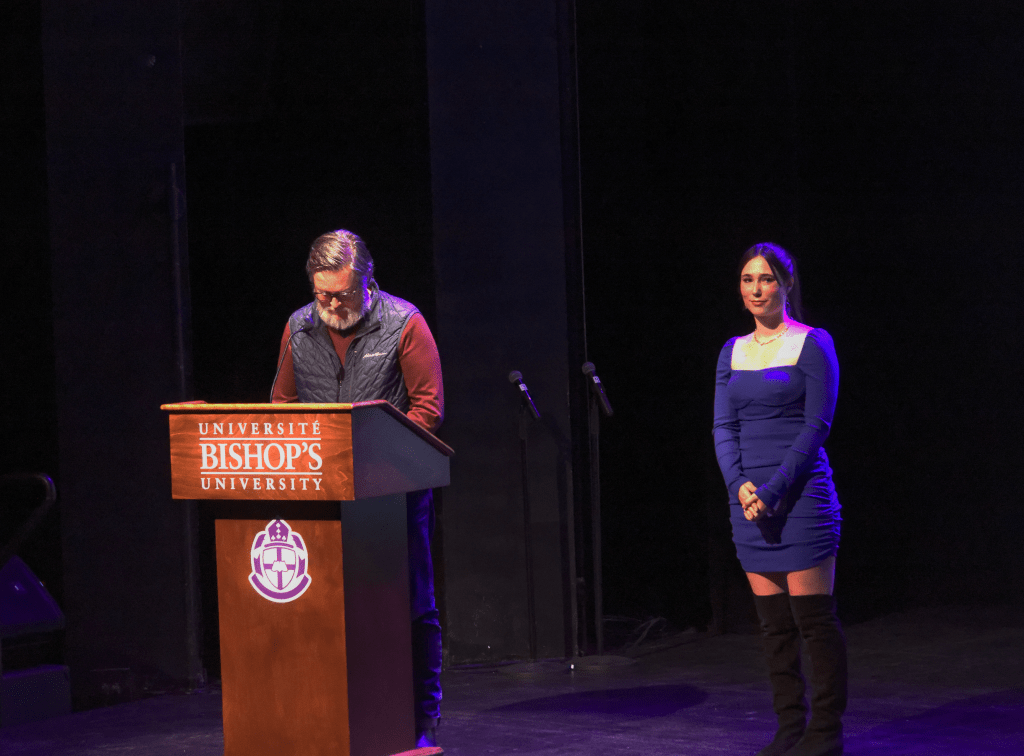
For Lucie Havelange, an exchange student who studies interdisciplinary arts, the festival was also an opportunity to address important topics through the means of filmmaking. Havelange created an award winning slam poetry film titled Ecologie en Vers, in which she addresses environmental themes. She explained that environmental and climate issues are important her. She thinks the issues so huge that “we are often out of touch with” them, and that “we do need to understand it and be able to protect [the environment] as much as we can.” Havelange shared that with this experience, she is now open to creating more films in the future.
As a medium of self expression, film has the power to reflect multiple facets of peoples’ lives through genre, scale, technical aspects and can be created by those of various educational and technical backgrounds. The community not only came together to watch films, but to create them as well. The results are a diversity that showcases our different perspectives of the world and individual experiences within it.

 The Campus