
By Emmanuel Sossou – Features Editor
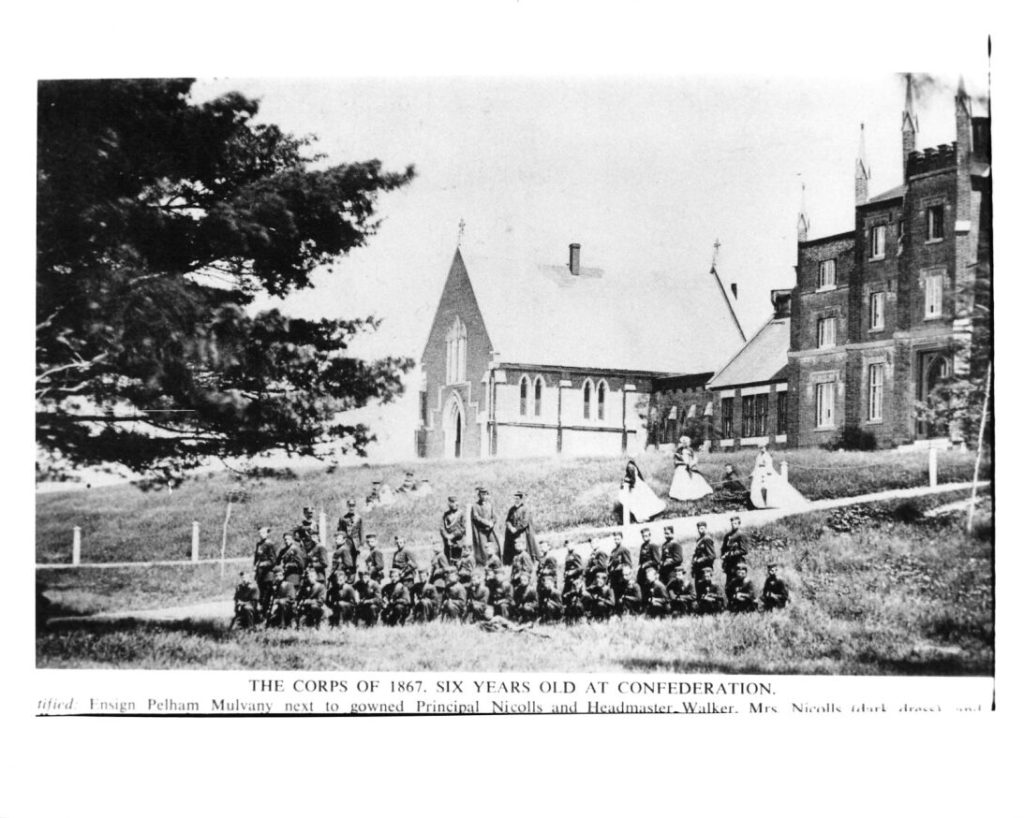
Among the many attractions in the Eastern Townships, St. Mark’s Chapel stands out as a destination of interest for its historical and artistic heritage. The Quebec Ministry of Cultural Affairs declared the chapel as cultural property in 1989. The neo-gothic style building remains witness to the influence of the Anglican clergy and English academic societies on 19th-century religious architecture.
Pre-confederation
Originally built from 1853 to 1857, the historic chapel is even older than Canada, remarks Bishop’s and Champlain chaplain Jesse Dymond. Its integration into the Bishop’s College of the time was made with the interests of the region’s English population at heart. Its goal was also to form members of the Anglican clergy. In 1857, the chapel was consecrated by George Jehoshaphat Mountain, the third Anglican Bishop of Quebec and one of the founders of the university.
Development
In the years that followed, the chapel underwent several works, including the addition of an apse in 1875. Six years later in 1891, when Bishop’s recorded its most devastating fire, the chapel was almost completely lost. Only the exterior walls remained. The Chapel was completely restored in the following years with a brand-new interior, characterized by its fine woodworking. Most of today’s striking features become then apparent: wooden sculptures of eight kneeling angels and the four Evangelists, wooden florets inspired by the Art Nouveau style and stained glass windows portraying biblical scenes. The chapel’s unique design, which is notable for its collegiate seating (a design where benches face inwards), resembles that of the school chapels that would be at Oxford or Cambridge in England, notes Dymond.

The Organ
Besides its remarkable architecture, the chapel is also renowned for its pipe organ. It is “probably the best organ in the Eastern Townships region”, says Dymond. “People travel from all over the place to try it.” Dymond also adds that the instrument has always been part of the chapel’s tradition.


 The Campus