
By Frédérique LeBlanc Piette – Contributor
Thanks to its location in the Eastern Townships, Bishop’s is lucky to be surrounded by amazing farmers such as Les Jardins d’Etc and Wild Things. These two local floral farms have been hard at work preparing beautiful bouquets for June’s convocation, grown with love. Jardins d’Etc grows certified organic flowers by Ecocert Canada, while Wild Things cultivates ecological options on small plots of land.
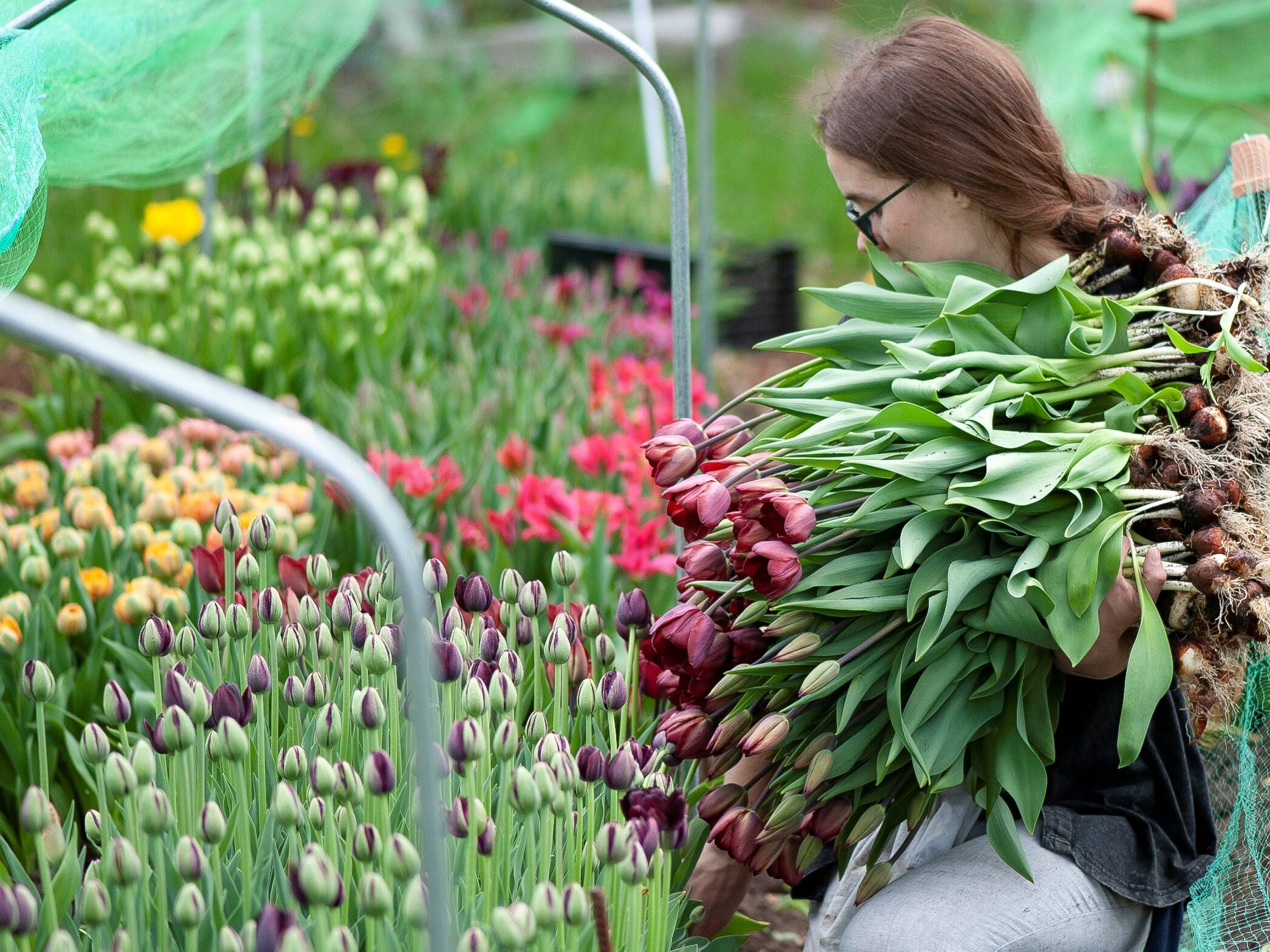
The rise of globalization and post-pandemic pressures have contributed to growing concerns about world-wide pollution and extended people’s desire to find healthy alternatives to old practices. Many shoppers wish to shift their buying habits from mostly cheaper, international goods, to greener, higher-quality local products. In fact, American Express found in a 2023 survey that nearly 80 per cent of respondents appreciate the impact of local business on their communities and admitted to regularly supporting local initiatives.
Flower production in Quebec
In 2022, more than 150 cut flower farms were listed by the Quebec government. Most of these farms are at the early stages of their development strategies (less than 5 years old), cultivate on small lands and are owned by women. By buying locally, you are not only encouraging a whole new generation of farmers. You are also greatly contributing to the local economy by supporting employment in your region.
Why buy local flowers?
Whether it is for a better local economy or developing a strong community, the reasons to go local are endless. In the case of cut flowers, it is even more important because of all the environmental and social impacts of this industry. In fact, most cut flowers come from foreign countries like Ecuador or Colombia. 60 per cent of the world’s flowers will go through the world’s largest flower market in the Netherlands, meaning your bouquet could have traveled over 15,000 kilometres.
In addition to the emissions created by the vehicles, the flowers are transported in refrigerated containers that require energy and chemicals. After a long journey of many weeks on boats and planes, it is easy to understand if mass-produced flowers wilt quickly!
Many of these flowers also come from industrial farms that use harmful chemicals and where workers are not adequately protected with sanitary and regulatory guidelines and proper protection equipment. This means the flowers you are used to buying might not only be damaging for the environment, but for everybody along the supply-chain as well as the end users.
Buying local flowers means reduced greenhouse gas emissions from the extensive transportation, encouraging a sustainable agriculture system that promotes ecological farming practices and ethical working conditions. Buying flowers that are grown in the Eastern Townships could guarantee unparalleled freshness, amazing scents and longer lasting blooms in varieties that aren’t offered elsewhere, while supporting local businesses led by women and members of our community.
Offering local and ecological flowers during Convocation is also part of Priorities 1, 2 and 4 of Bishop’s University’s Sustainable Development Plan: “Operate Bishop’s University in an increasingly ecological and responsible manner”; “Engage the Bishop’s University community in improving its sustainable performance”; and “Promote the well-being of our community through sustainable development initiatives.”
This spring, when it’s finally time for you to graduate and to buy your bouquet, not only are you going to be graduating in style, but you will have contributed to the success of local entrepreneurs and helped make a difference in the environment.
Students can learn more and order flowers at: https://buconvocationflowers.square.site/
Frédérique LeBlanc Piette is a student intern with the Sustainable Development Office.


 The Campus