
By Antonia Driscoll – Contributor
In recent years, the conversations surrounding fast fashion and its impact on the environment and society have gained significant traction, with documentaries, sustainable fashion campaigns and research on the rise. As consumers become more conscious of the consequences of their shopping habits, initiatives like the Community Cupboard’s X Thrift Store at Bishop’s University join the campus as an innovative solution.
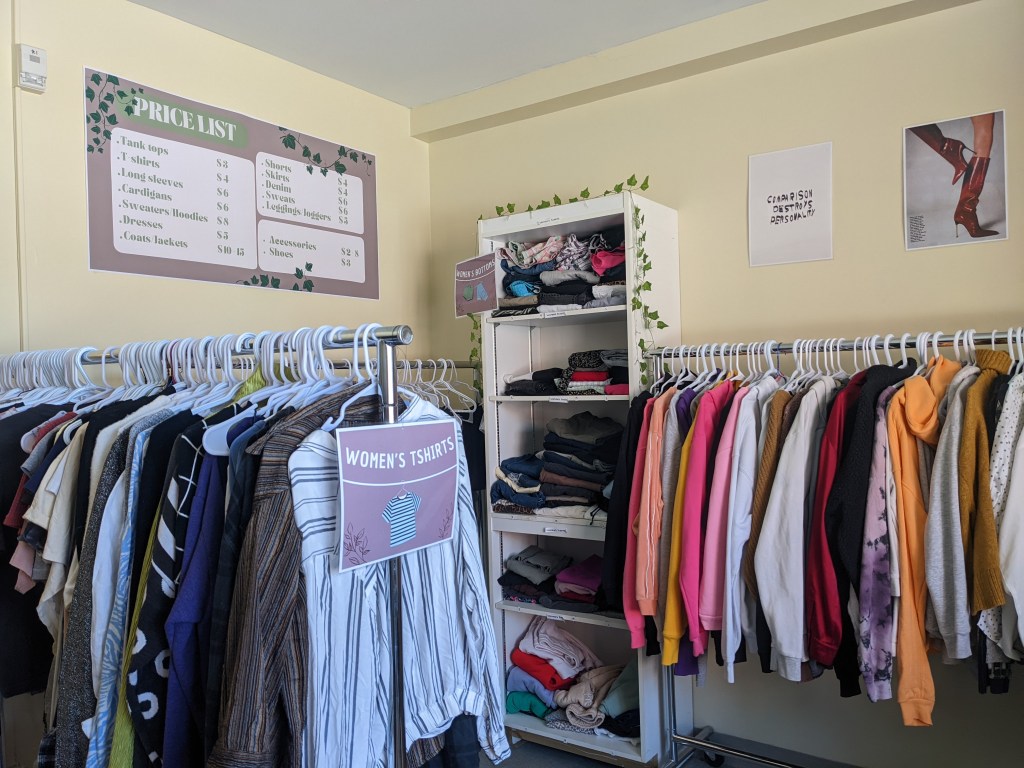
Located in Norton 100 with the Community Cupboard, the thrift store serves a dual purpose: providing students with access to affordable clothing options while simultaneously combating the negative effects of fast fashion. The revenue from the thrift store supports the Community Cupboard, a free service offering groceries and toiletries to students facing food insecurity.
Fast fashion, characterized by its rapid turnover of trendy clothing items at low prices, has been criticized for its detrimental environmental and social impacts. From excessive water usage and pollution to exploitative labour practices, the fast fashion industry contributes to climate change and worker exploitation.
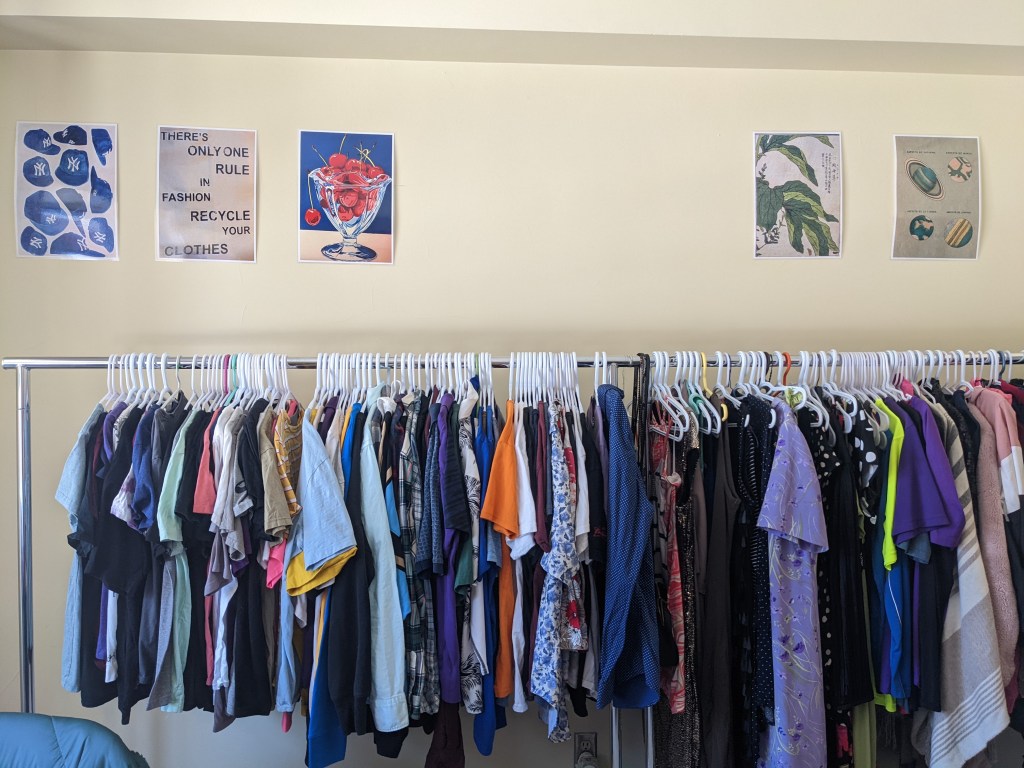
Fourth-year environmental science student Diane Drak Alsibai was asked to comment on her thoughts about the Community Thrift Store and its benefits. She replied, “The thrift store has helped me a lot, from a financial perspective, considering that as a student, I can buy clothes at a more affordable price. As someone who deeply cares about the environment, I can recycle clothes and not contribute to fast fashion. Additionally, because most of the clothes are donated by students, I can find in-style clothes and sometimes popular name brands, which would otherwise be extremely expensive.” For her, the thrift store represents not only a practical solution to financial constraints but also a meaningful contribution to environmental sustainability.
In an interview, Shawna Chatterton-Jerome, Indigenous student support coordinator at Bishop’s University, emphasized that the thrift store “is a great idea because it helps students, specifically international students, and provides affordable and accessible clothing options on campus. Repurposing clothes instead of just buying clothes based on trends contributes towards reducing clothing waste.” Chatterton-Jerome emphasizes how access to affordable clothing options on campus serves a diverse range of students, including international students who may face additional financial challenges.
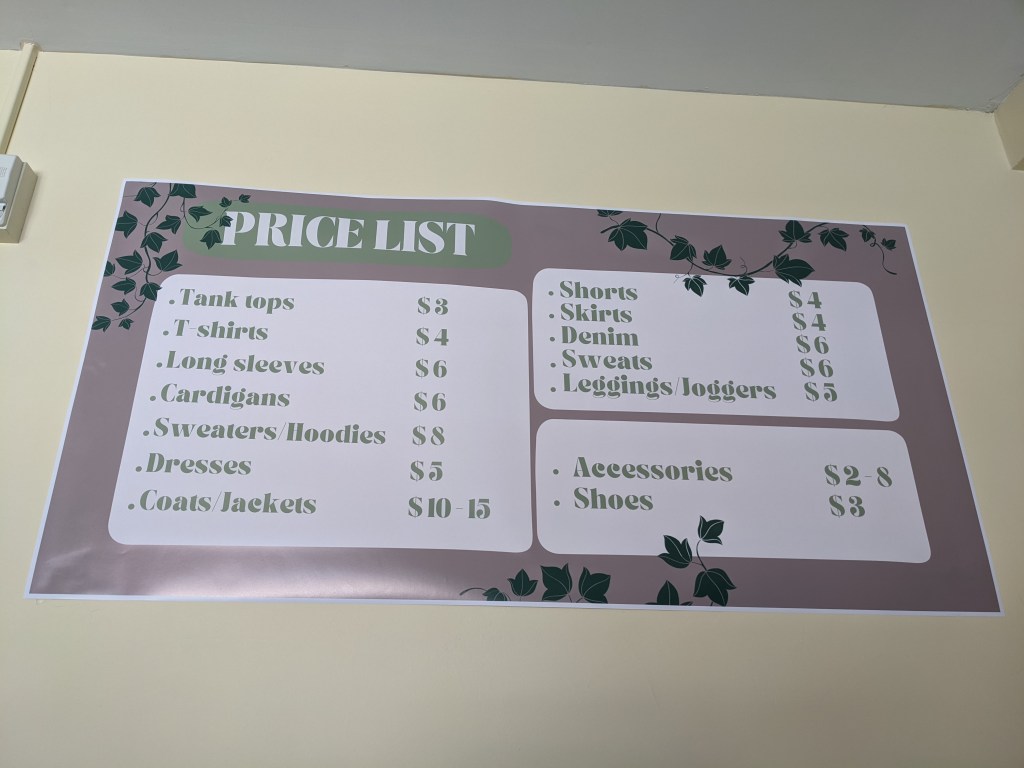
The thrift store offers an alternative shopping experience. Students can find a diverse array of clothing items – including tops, bottoms, dresses, coats and shoes – at a fraction of the cost of buying new pieces. By purchasing second-hand clothing, students not only save money but also reduce their carbon footprint by extending the life cycle of garments that might otherwise end up in landfills.
The Community Cupboard X Thrift Store exemplifies the possible intersection of sustainability and affordability in the realm of fashion. By providing economically viable alternatives to fast fashion, the store can equip students to make responsible choices while fostering a sense of community and environmental awareness on campus. Slight changes in consumer behavior can lead to a meaningful collective impact. Statements from Alsibai and Chatterton-Jerome underscore the multifaceted benefits of the thrift store.
The thrift store is open Monday to Friday during the mid-day, with updated hours posted on the Norton 100’s door. Opening hours vary between 11 a.m. to 2 p.m depending on the day. The thrift store is cash-only.
Antonia Driscoll is a volunteer with the Community Cupboard.


 The Campus