
By Rachel Gold – Contributor & The Campus Staff
At Bishop’s, the Indigenous Student Support Centre (ISSC) has been holding an annual vigil for the last few years, every Feb. 14, to remember missing and murdered Indigenous women, girls and Two-Spirit individuals (MMIWG2S+). For this year’s vigil, many members of the community gathered at the LLC gazebo in solidarity of the cause.
In Canada, Indigenous women are 12 times more likely to be murdered or go missing than any other women. They are also more likely to experience physical and sexual assault than their non-Indigenous peers. And yet, while they make up for only four per cent of the Canadian female population, they account for 16 per cent of female homicides and 11 per cent of missing women.
These disproportionate rates of violence affect First Nations, Métis and Inuit women, girls and gender-diverse people across Canada and are the root of the MMIWG2S+ movement. According to a 2014 report by the Royal Canadian Mounted Police, more than 1200 Indigenous women and girls were murdered or went missing between 1980 and 2012, a number that Indigenous women groups’ research says is in fact over 4000 women and girls. Since then, many of these women have still yet to be found, and the national crisis continues. Throughout Canada, numerous organizations, such as the Native Women’s Association of Canada, have engaged in different initiatives aiming at raising awareness and addressing the tragedy. Over the last decade, marches, annual vigils and other campaigns of the sorts have been held, bringing people together to commemorate and honour the lives of the missing and murdered.
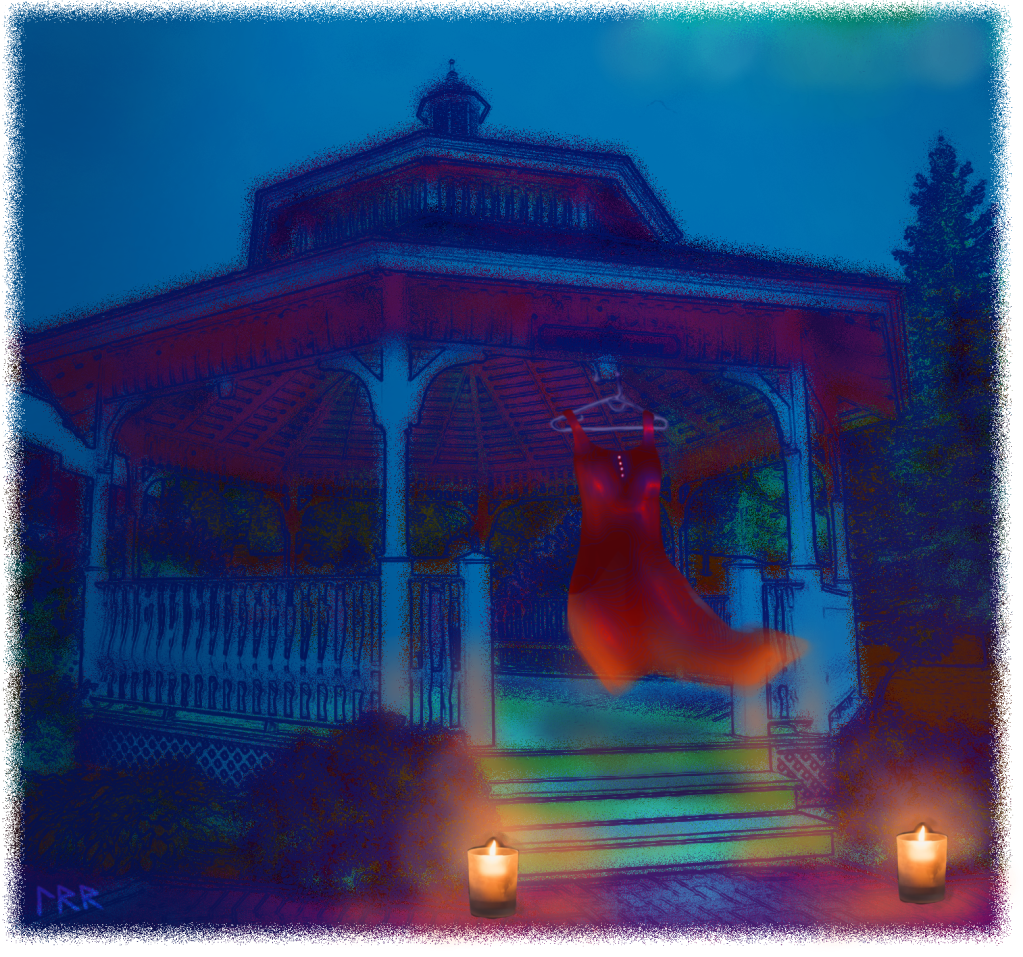
At the gazebo, Vicky Boldo, the associate director of Indigenous initiatives at Bishop’s, shared a few words about what the event meant to her and the crisis’ impact on Indigenous communities. Boldo also highlighted the trauma in which these tragedies are rooted, as well as the ones that they bring forth, especially for the families of the victims. One of the night’s guest speakers also pointed out that although the crisis recently rose to the public’s attention, the pattern goes way back to the age of “discovery”. They mentioned that when European colonizers came to what is present-day Canada, as they took the land, they also forcibly took Indigenous women. The evening featured heartfelt messages shared by community members, prayers and concluded with the “Wildflower Song”.
In the days leading to the vigil, many red dresses could be seen hanging at various locations on campus, a project organized by the ISSC. The red dress is a symbol raising awareness of MMIWG2S+. It became emblematic through Métis artist Jaime Black’s REDress Project, an installation art project created to raise awareness about the violence that Indigenous women experience. On her website, Black writes that she wanted to “evoke a presence through the marking of absence.”
The Women’s Memorial March is held every year on Feb. 14 to remember and honour missing and murdered Indigenous women, girls and two-spirit people. Red Dress Day, which is observed every year on May 5, is the national day of awareness for the crisis.


 The Campus