
By Danielle Storey – Contributor
Eco-Week returned from Feb. 5-9, bringing a mini market, winter bike kiosk, no-cup day, craft sessions and educational activities to campus. Eco-Week is celebrated on campus by honouring and celebrating the earth. This week was made possible through the collaboration of volunteers and the work of the Environmental Club, the Outdoors Club and the Sustainable Development (SD) Office.
The week’s purpose was to inform the Bishop’s community on environmental issues and to motivate them to take action against climate change and global warming.
The week began with a mini market in the SUB. The mini market’s goal was to showcase different environmentally friendly initiatives on campus. The market promoted eco-friendly clubs and organizations, encouraged local artists to sell their artwork, jewelry and cards, showcased zero-waste menstruation products and offered free Fair Trade hot chocolate to passersby.
On Tuesday, the SD Office hosted a winter bike kiosk at the Gait patio. They provided tools for students to winterize bikes, preaching the importance of sustainable transportation even during the cold weather. A majority of Sherbrooke’s carbon emissions are from transportation, with 56 per cent of the total emissions coming from vehicles.
Wednesday marked No Cup Day, meaning there were no single-use cups available for any students or staff at on-campus dining locations. Instead, Sodexo employees and volunteers guided community members to reusable mugs offered at each station. The weekly Wednesday Free Trade hot chocolate kiosk followed suit in the Quad.
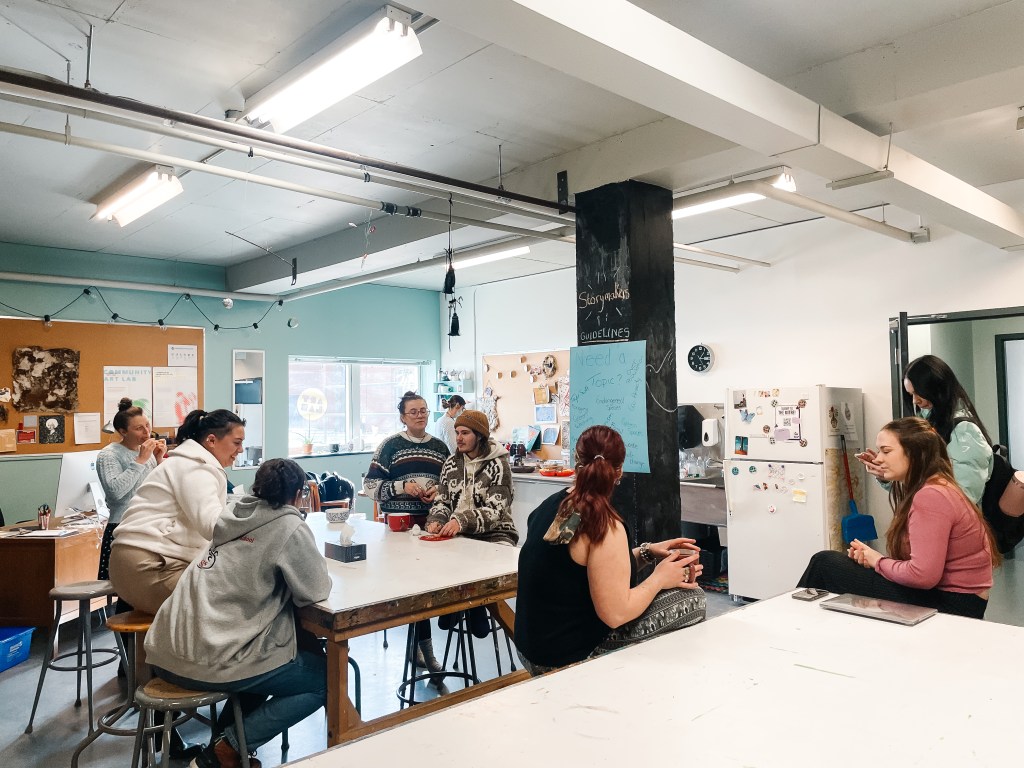
Students and staff also gathered in the ArtLab for an Art Hive recycling old materials into new artwork, including preparing cards for the rapidly approaching Valentine’s Day.
Eco-Week also promoted the newly founded campus thrift store located in Norton 100. The thrift store promotes second-hand clothing and discussions on fast fashion’s impact on climate change. The exponential growth of the industry causes emissions from cheap fabrication and the transportation of products. The store’s goal is to encourage students to lower their carbon footprint by purchasing lightly used clothing.
Students could join a wellness walk on Thursday, a guided walk with a trained leader who helped students connect with nature while relieving stress. Spending time walking in the outdoors has been shown to offer mental rest and rejuvenation, along with improvements to memory, attention and creativity.
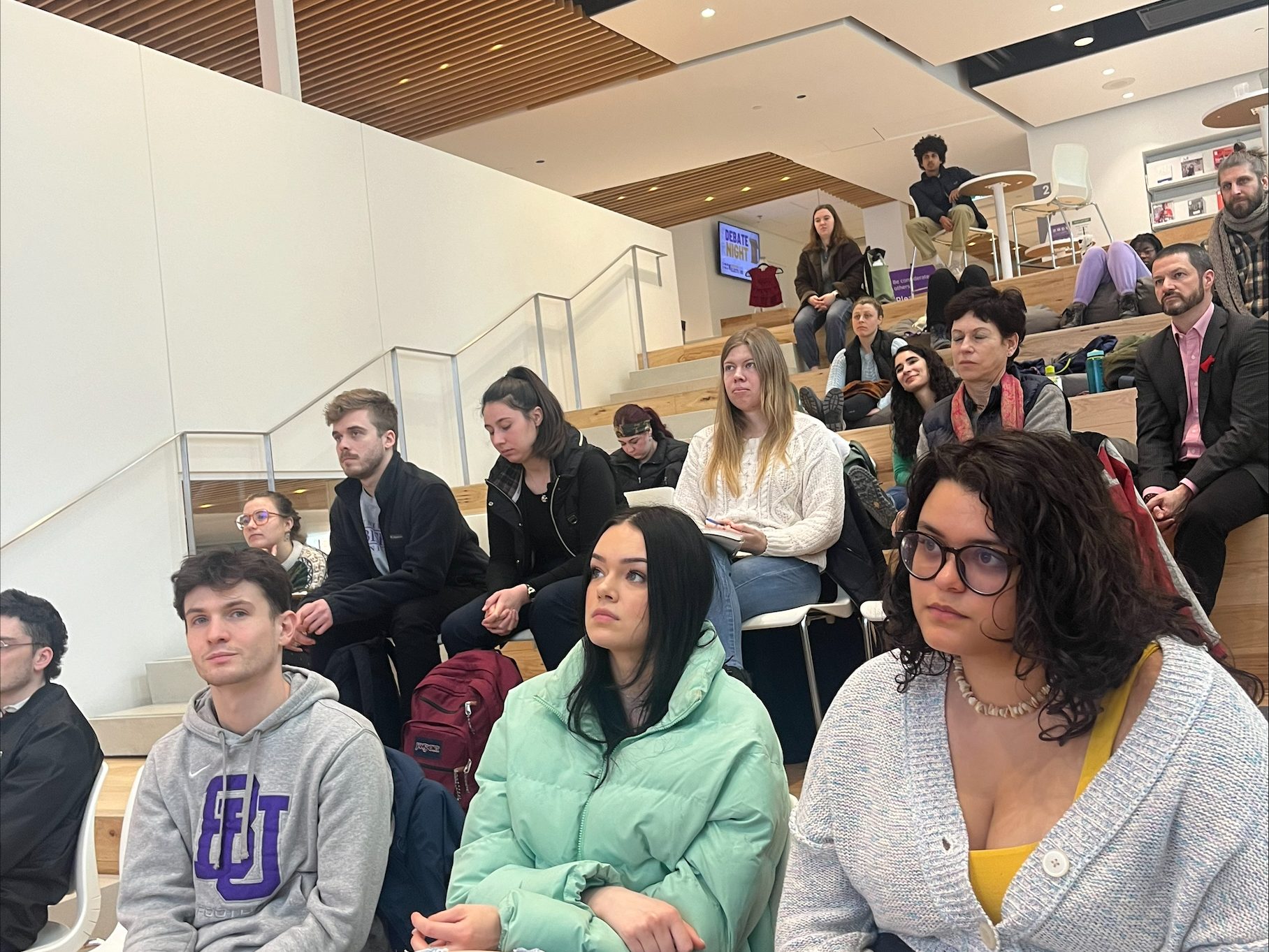
On Friday, to conclude the week, Prof. Vivian Valencia held a conference in the Agora presenting her research on lighthouse farms – innovative, sustainable and existing farms – that Bishop’s has been a part of. Her conference encouraged creativity and innovation in the agricultural industry. She discussed the potential for lighthouse farms to transform the future of regenerative and sustainable agriculture, which was then further discussed at a climate café. The climate café was a small event hosted by the Environmental Club and Outdoors Club that brought students together to discuss climate issues and the prevalence of eco-anxiety.
In a week filled with engaging activities, the student body absorbed insights about environmental issues. As the week concludes, the call to uphold environmental responsibility echoes beyond this brief period.
Danielle Storey is the lead of the Environmental Club and an organizer for this year’s Eco Week.



 The Campus