
Ecocriticism class visits farmhouse
By François Leblanc – Contributor
On Oct. 4, my Ecocriticism class, taught by Professor Shoshannah Bryn Jones Square, department of English, visited Chris Hornibrook’s communal farmhouse, built in 1910. Located at 2455 rue College, the farm is only a short walk from Bishop’s campus. “Our relationship with BU, as one of our neighbours, is very, very special,” said Hornibrook.
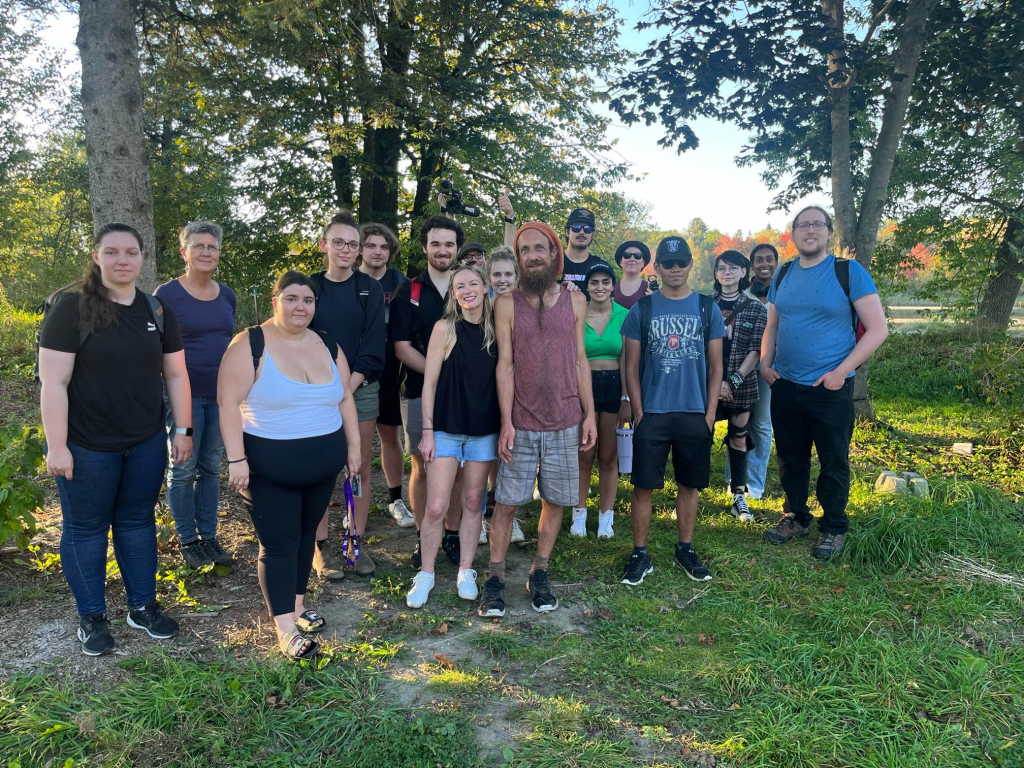


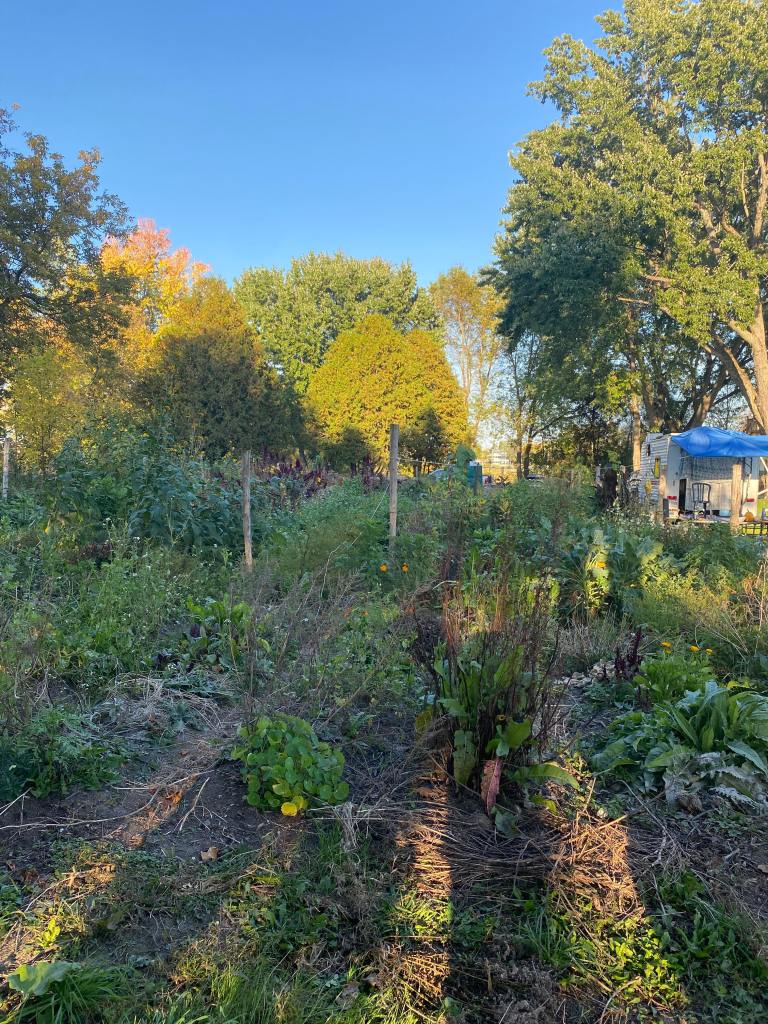

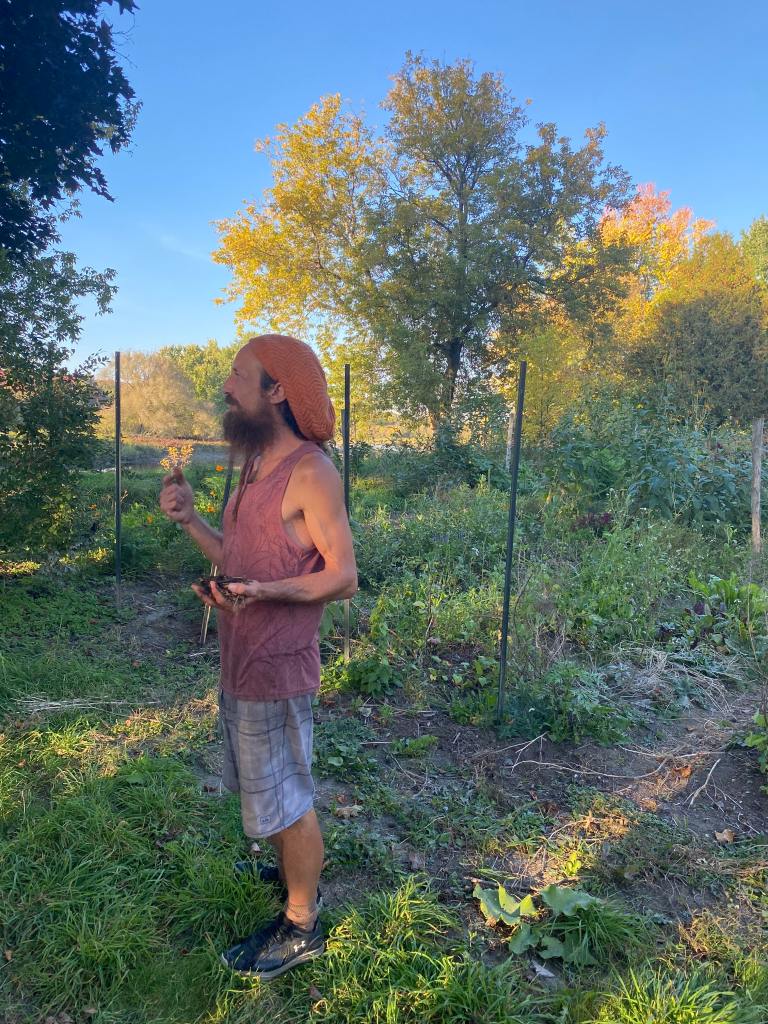


The farm is a modern example of local harvesting and teaches small-scale farming principles. During the visit, gardener Yohan Cyr discussed sustainability and regenerative farming practices while sharing about himself. We also learned how the farm was constructed and the reason this type of farming is necessary for us: local harvesting will have to be a priority for the future if we are to adapt.
One of the main issues with our current food distribution system is long transport distances. Ships release pollution that remains in our ecosystem. Constructing green-energy-based vessels to counter this would be a hard task. Turning to local production would be a better solution; a close harvest is the best alternative.
For example, we could use the heat generated from factories to grow our harvest even during the winter. Moreover, we could use deceased plants to feed the farms’ soil as a natural fertilizer. This is what trees do: their dead leaves fall, decompose and provide nutrients to the soil themselves, which are used as a source of the tree’s life cycle. The basics of farming will stay, but the distribution methods will have to change if we are to have a future. Through this, we will have an alternative for our subsistence and the next step of evolution in our approach to agriculture.
At the end of the visit to the farm, we were each given a small glass vial to put some soil in as a reminder that we need to take care of the earth. This gift from the land we visited is not just a reminder but a memento that it is what we all come from, depend on and end up returning to. The land will always be here, and our influence over the ecosystem cycle will be forever. It is the choice we will take that will make us and the earth what it will become. Tomorrow is in our hands.
Photos courtesy of Shoshannah Bryn Jones Square


 The Campus