
By Rachel Gold – Contributor
When most people hear the words: climate change, they tend to panic a little. This topic can cause drastically opposite reactions – fear, mockery, disbelief… you name it.
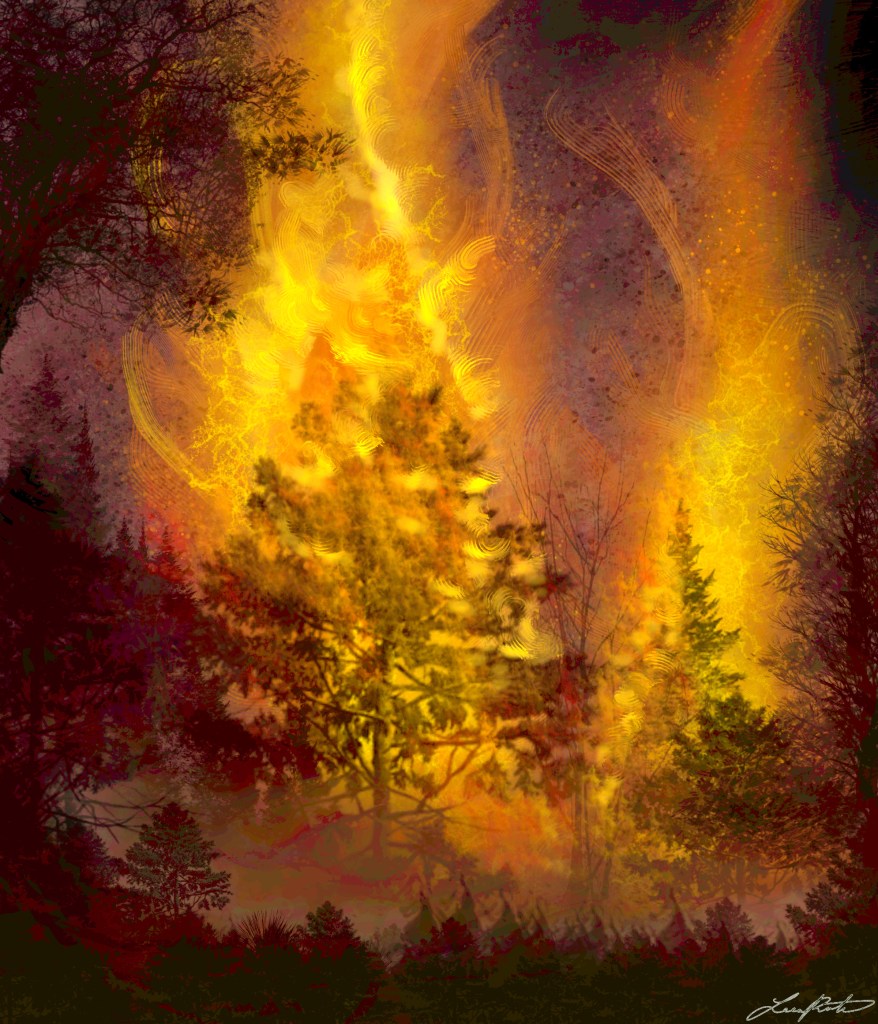
Of course, all those end-of-the-world movies don’t help with the fear. Arguably, they serve the purpose of presenting a dramatized irreversible catastrophe. By the time the world does end in that fashion, there will be no humans left on earth to witness it. So, we have nothing to worry about, kind of.
Climate change refers to long-term shifts in temperatures and weather patterns (UN). These changes can be natural or man-made. Fossil fuels, for example, have always been a part of the planet. According to Scientific American, one factor for the end of the Ice Age – the real Ice Age, not the movie – was the rising use of natural fossil fuels. However, with the Industrial Revolution, the course of fossil fuels’ history was altered with an extreme rise in the burning of oil, coal, and gas. The UN estimates that since the 1800s, climate change has had a single main driver: human activities.
The leaders of the Industrial Revolution and its evolution didn’t realize what they were doing. It was only in the last 50 or so years that people started to realize the damage that humans have done to the Earth. Societal efforts are being laid out to find solutions, but we’re not quite there yet.
However, people have plenty of things to say about climate change. There are monumental gaps in terms of beliefs about climate change. Scientists undertake innovative research to measure the damages of climate change, and they attempt to find solutions. A significant portion of society supports them, whether fervently or distantly. On the other hand, some people have argued that climate change is a hoax and a way that the government is trying to trick and control us.
So, do people notice climate change on a day-to-day basis? I know I do. The weather in Montreal this summer, for example, was out of the ordinary. It was either raining and cold or a heat wave with no in-between. I spoke to some fellow Montrealers who mentioned their concern and frustration regarding this issue.
I also asked international students about how the summers were where they lived, and the common answer was “bad”. Most people attested to extreme weather just like here. So, based on these simple conversations, my conclusion is that people around the globe feel the effects of climate change.
Just because it’s a global feeling, doesn’t mean it will last forever. There is more and more research being done on how people on Earth can help limit their tracks; more and more countries are creating laws that will try and limit the amount of pollution they emit. I like to take an optimistic stance: Things are looking up for the Earth and the way we take care of the planet we call home.


 The Campus