
By Manu Bissonnette – Features Editor
Bishop’s University graduate Sophie McCafferty ‘23 arrived in Chilanga, Malawi, a week ago to start her community involvement at the Transformative Practices Malawi campus as a Pathy fellow. With the Pathy Fellowship’s application opening on Sept. 11, 2023 for its ninth cohort, here is what Sophie has to say about her experience so far.
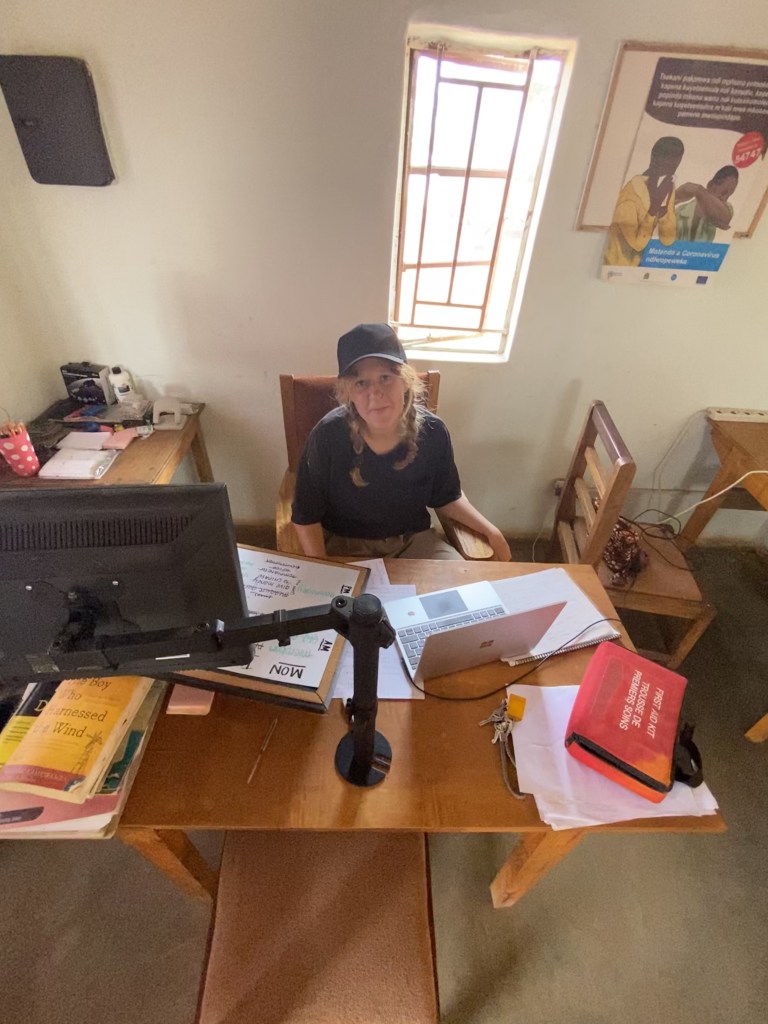
Sophie’s initiative aims to work towards soil regeneration using integrative livestock management. The initial idea established in collaboration with the community was to build a female-managed goat cooperative on the campus. However, upon arrival, the team determined that there were more pressing issues that must be addressed first. She emphasizes the community aspect of her initiative: “This is an asset-based, community-driven approach, which means it is based on the available knowledge and resources in the community.”
As she and her team are redirecting the initiative, the community is looking into various possibilities: “Knowledge dissemination, land help, effective irrigation, a community garden, food forests, improved chicken management… There is so much that can be done.”
Sophie’s initiative also includes a strong feminist component, as she emphasizes the valuable work of women in agriculture: “Women do a huge portion of agricultural work worldwide, but their work is often not recognized or remunerated. They rarely get the credit they deserve.” As such, Sophie aims to work mainly with local female farmers to support their legitimacy, expertise and empowerment in the field.
Sophie started working virtually with Transformative Practices Malawi during her second year at Bishop’s to create a chicken cooperative with women on the ground. However, the project was abandoned because a connection through Bishop’s University fell through, resulting in the loss of major funding and resources.
The Pathy Fellowship represented the perfect opportunity to work towards a more sustainable setup without ties to the university. As an environmental science graduate with a minor in sustainable agriculture and food systems, this initiative is right up her alley.
Yet, when asked what she is looking forward to most as a Pathy fellow, her answer has nothing to do with agriculture: “Relationship-building. I am excited to get to know people. I am grateful that they have welcomed me here, and I know there will be many opportunities for knowledge sharing.” The recent graduate is also looking forward to growing through the experiences, whether it be navigating difficult situations or simply having fun.
According to Sophie, the Pathy Fellowship is a lot more than just funding: “It is a comprehensive program, in that you can learn a lot and be supported while doing it. It does a great job of overviewing what is really important.” As a Pathy fellow, Sophie has a whole support system in place, including a life coach, who helps with personal development, self-care and reflection on future endeavours. She also has two self-selected resource people, experts in their field, who act as mentors; a whole crew of support staff, who help every step of the way; and the other fellows, who have become close friends. As such, Sophie considers the Pathy Fellowship “one of the more ethical sources of funding”.
Sophie is still at the beginning of her journey, but if she could give one piece of advice to graduating students, it would be this: “If you’re thinking of applying, apply. No one thinks they are going to get it. Besides, the application process itself is an extremely rewarding experience.” During the in-person selection process, she was brought to reflect on who she is and how she views the world. She carried these with her during the month-long course component of the fellowship at Saint Francis Xavier University, where topics such as power and privilege, development and its potential harms, positionality, leadership and white, western views were touched upon.
“It’s not about the money, it’s about the relationships you build with people.”




 The Campus