
By Diane Sibai – Contributor
In February, when I saw that the course ESG 288, “Underwater Environmental Assessment” was being offered, I did not imagine myself doing the class, let alone its attached internship opportunity during the summer. However, my passion for the environment and swimming led me to take this course, and it has become a truly memorable experience.
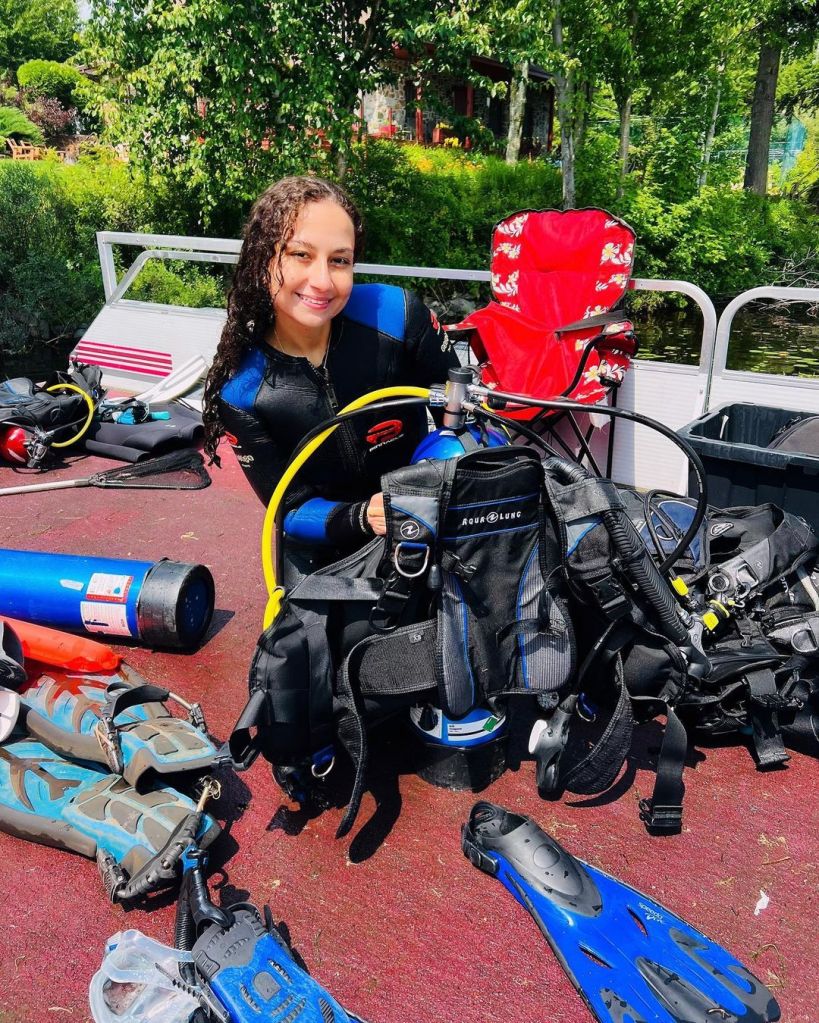
After registration, there were still many processes to follow. The main one was a medical exam including a blood test, radio scan and electrocardiogram. It is important to be in good physical condition considering that diving can be a dangerous activity. Once I completed all the requirements, I was ready for the course.
Throughout the course, we had to learn how to dive to obtain the Professional Association of Diving Instructors’s certification and know the policies of the Canadian Association for Underwater Science and the Quebec Federation of Subaquatic Activities.

Once the course was over, I finally had the opportunity to start the internship that followed. The objective of the job was to remove the Eurasian water milfoil, an invasive species found in most lakes nearby. By splitting into teams, many divers remove these plants manually or through the help of tarps. Each team has a diver in charge who can be anyone who has experience in the job and has completed their Advanced/Rescue Diving Certificate.
Since June, I have had the chance to dive in the lakes of Brompton, Stukely, Aylmer and many more! One thing I admire about this experience is the hospitality and gratefulness of the locals living near the lakes, who are also donors to this project. It is also important to note that both the course and the job lie under the management of Bruno Courtemanche, an ESG professor at Bishop’s University. Mr. Courtemanche started this project in 2016 in collaboration with RAPPEL, an environmental consulting firm. What first started as a small project kept on growing until Bishop’s University became involved in 2018. It wasn’t until 2020 that they became a member of the Association to allow people, including students, to become scientific divers. Aside from diving all summer in beautiful lakes around Quebec and restoring ecosystems, I also formed wonderful friendships with all the people I got to dive with. They are what made this summer so much more enjoyable on top of diving. I hope to keep working in this field in the future and potentially develop further experience by becoming an advanced diver myself or starting a project of my own. For any student interested in the conservation of lakes or scuba diving in general, this would be the perfect summer activity.
 The Campus