
By Colin Ahern — Opinions Editor
After viewing The Children’s Hour on the night of Nov. 18, the advantages of a more intimate stage are apparent. The play itself was fantastic, the acting was very moving and the format of the stage proved to be a boon for the play’s themes. The physical proximity of the actors allowed for high visibility of the actors’ expressions without the heavy application of makeup that usually accompanies the theatre. This closeness went very well with the realistic setting and grave subject matter of the play. Theatre typically exercises a certain degree of camp due to its format, often to its benefit. While the presence of camp can be very charming, it would feel out of place in this production. The closeness of the actors removes the need for exaggerated performances and enhances the dramatic nature of this play.
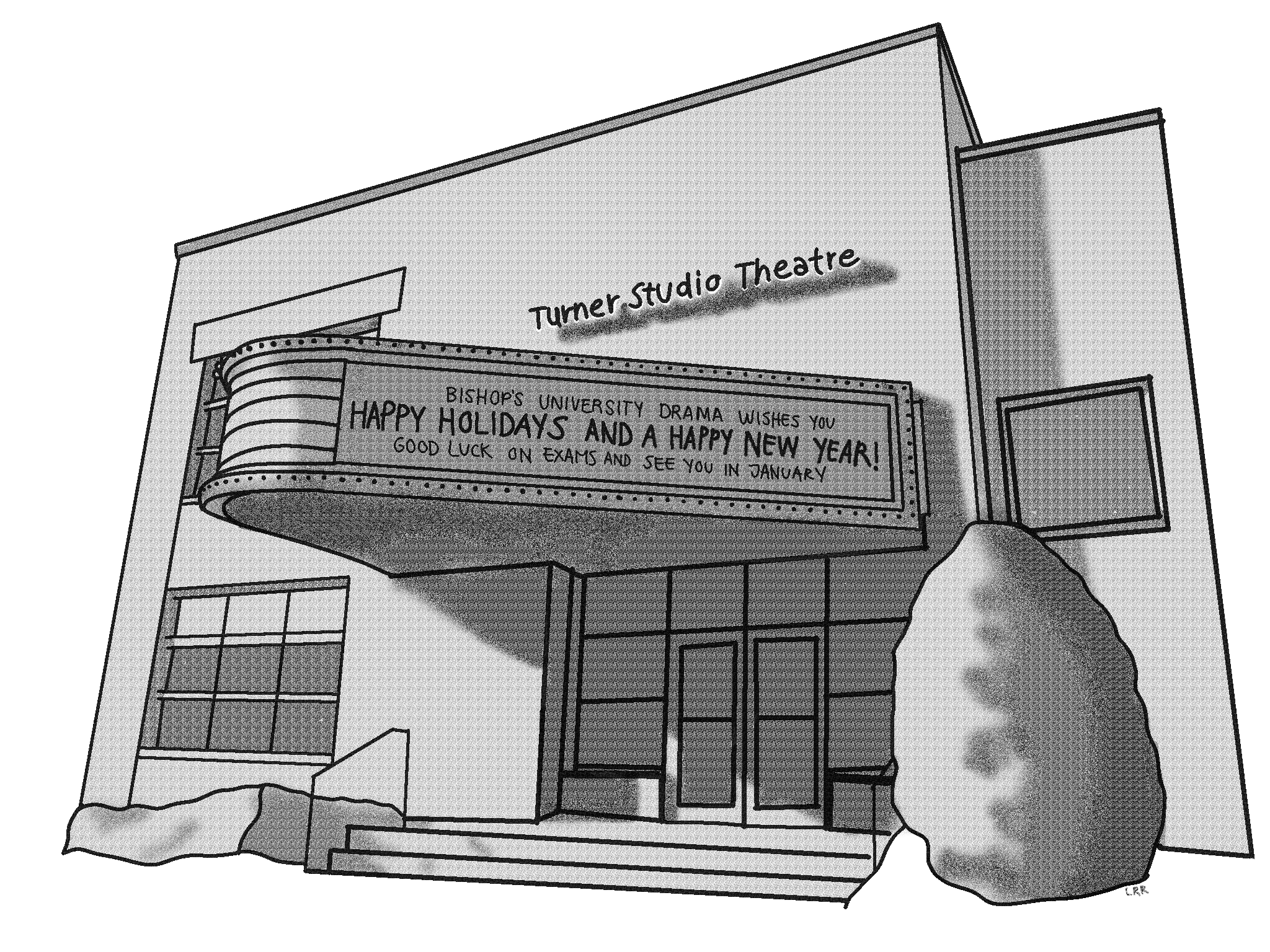
I believe that this proximity creates a more desirable stage than the conventional larger theatres. Dramas become more intimate, and performances feel more realistic by the nature of their authenticity. The play feels more like a film in its closeness while maintaining the magic that clings to live performances.
Beyond the most recent production, comedies would also do very well in this format because there is more room for nuanced humour. At times, humour in plays feels as though it must be campy or exaggerated. This format allows for better comprehension of fast speech which often facilitates a more witty style of humour. By having the performers and the audience closer together, actors don’t have to compensate as much for the distance with overly enunciated dialogue.
These points are not to say that conventional theatre is bad or limited by any means. It seeks only to explore how a different format may be superior. Centennial Theatre’s size provides the advantage of holding more content onstage at any given moment. This magnitude does have the shortcoming of having a cluttered scene at times. This means that if there are many actors onstage at once, then every detail must be shown through large movements or reactions in order to draw the audience’s focus to important information. While actors can often overcome these demands with more precise and masterful performances, it does limit the performer’s full range. This does not limit the performances in a way that necessarily makes them worse, but rather in a way that forces the actors to behave in particular ways that remove their full agency. I believe that Turner Studio’s limited size may seem like a disadvantage at first glance, but actually offers a wonderful opportunity for a more nuanced performance out of the actors.




 The Campus